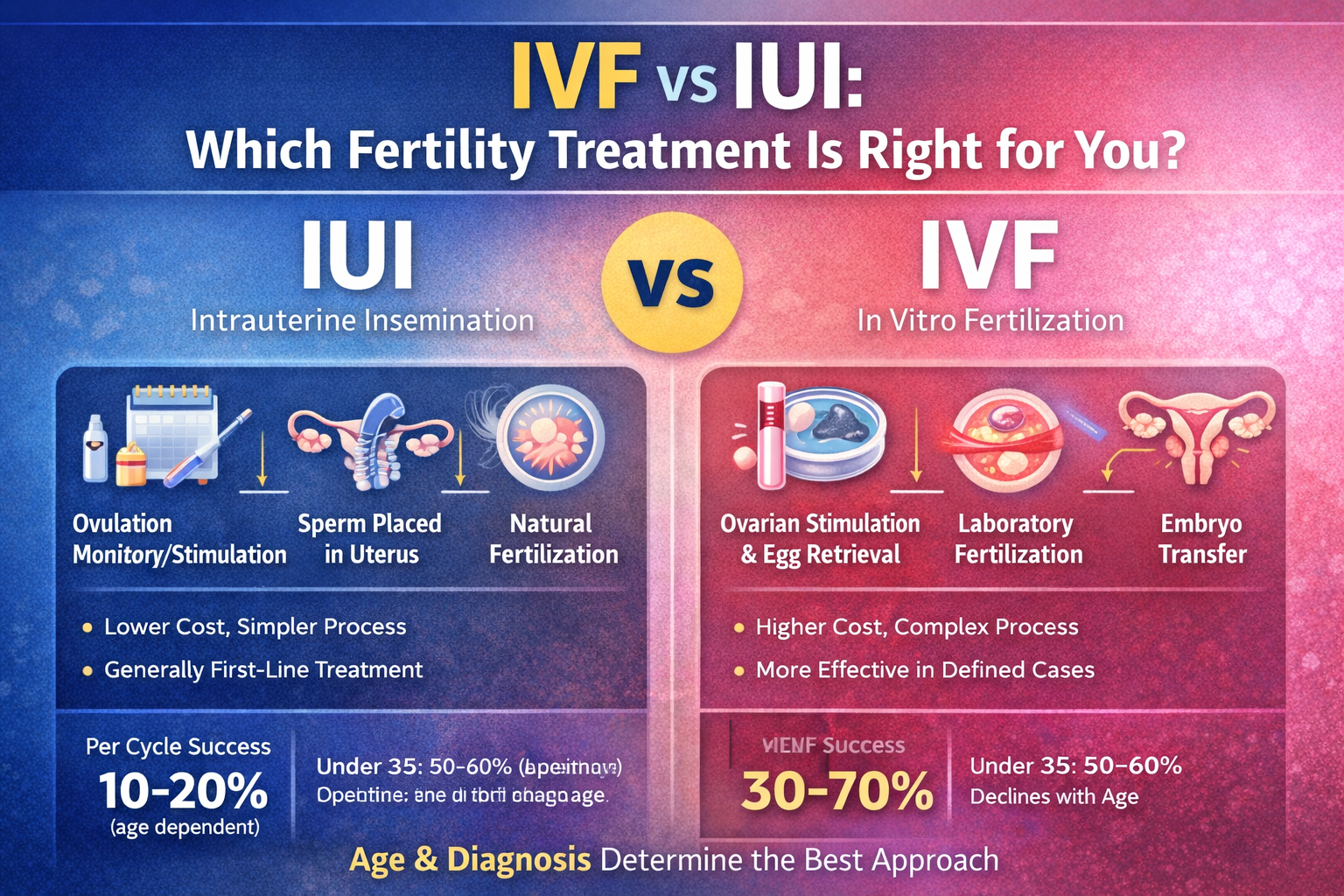
IVF vs IUI: Which Fertility Treatment Is Right for You?

When natural conception does not occur as expected, couples are often advised to consider assisted reproductive treatments. The two most common first-line options are IUI (Intrauterine Insemination) and IVF (In Vitro Fertilization).

While both aim to increase the probability of pregnancy, they differ significantly in complexity, cost, indications, and success rates. Choosing the right treatment depends on age, diagnosis, duration of infertility, and prior treatment history.

This article offers a structured comparison to help couples make informed decisions.


What Is IUI?

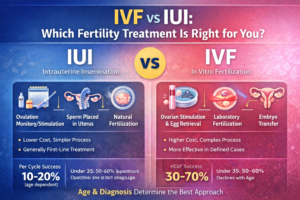
IUI is a relatively simple fertility procedure in which:

  • Ovulation is monitored or medically stimulated
  • Processed (washed) sperm is placed directly inside the uterus
  • Fertilization occurs naturally inside the body

For couples seeking IUI Treatment in Chandigarh, this procedure is often recommended as the first step when infertility issues are mild and the ovarian reserve is good.


What Is IVF?

IVF is an advanced assisted reproductive technique involving:

  • Ovarian stimulation to produce multiple eggs
  • Egg retrieval under ultrasound guidance
  • Laboratory fertilization (IVF or ICSI)
  • Embryo culture
  • Embryo transfer into the uterus

Fertilization occurs outside the body in a controlled laboratory setting. At specialized centers like Reviva IVF, advanced laboratory protocols help improve embryo quality and pregnancy outcomes.


Indications: When Is IUI Recommended?

IUI is generally suitable when:

  • Mild male factor infertility
  • Unexplained infertility
  • Mild ovulatory dysfunction
  • Cervical factor infertility
  • Short duration of infertility
  • Woman is under 35 with good ovarian reserve

It is often recommended for 3–4 cycles before considering escalation.


Indications: When Is IVF Recommended?

IVF is typically advised when:

  • Blocked or damaged fallopian tubes
  • Moderate to severe male factor infertility
  • Endometriosis (moderate to severe)
  • Low ovarian reserve
  • Repeated IUI failures
  • Age above 35 with limited time
  • Genetic testing requirement

In such cases, treatment at a Best IVF Centre significantly improves the chances of conception.


Success Rate Comparison

IUI Success Rate

  • Per cycle success: 10–20% (age dependent)
  • Higher success in women under 35
  • Declines sharply after 37

Cumulative success improves over multiple cycles but remains lower than IVF.


IVF Success Rate

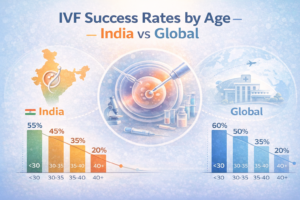
  • Under 35 years: 50–60% per cycle
  • 35–37 years: 35–45%
  • 38–40 years: 20–30%
  • Above 40 years: 5–15% (using own eggs)

IVF provides substantially higher pregnancy rates, especially in defined medical conditions.


Cost Considerations

  • IUI is significantly less expensive per cycle.
  • IVF costs more per attempt but offers higher per-cycle success.

In some cases, repeated IUI failures may ultimately cost more emotionally and financially than earlier IVF.

Strategic planning based on diagnosis is essential.


Time Sensitivity & Age Factor

Age is a decisive variable.

  • Women under 30 with mild issues may reasonably attempt IUI first.
  • Women above 35 often benefit from early IVF to maximize reproductive potential.
  • Women above 38 may lose valuable time attempting multiple IUIs with limited probability.

Delays can reduce cumulative success.


Emotional and Physical Burden

IUI:

  • Less invasive
  • Minimal discomfort
  • Lower medication dosage
  • Shorter treatment cycle

IVF:

  • Requires injections
  • Egg retrieval procedure
  • Emotional investment per cycle
  • Higher psychological intensity

However, IVF may shorten the overall treatment journey by achieving pregnancy faster.


Risk Profile

IUI Risks:

  • Multiple pregnancy (if stimulation is aggressive)
  • Low complication rate

IVF Risks:

  • Ovarian Hyperstimulation Syndrome (OHSS)
  • Multiple pregnancy (controlled through single embryo transfer)
  • Procedure-related minor risks

Modern protocols have significantly improved safety.


Diagnostic-Based Decision Framework

A simplified clinical perspective:

  • Mild infertility + young age → Consider IUI
  • Tubal blockage → IVF mandatory
  • Severe male factor → IVF with ICSI
  • Endometriosis (Stage III/IV) → IVF preferred
  • Repeated IUI failure → Escalate to IVF
  • Advanced maternal age → IVF recommended

Individualization is critical—there is no universal formula.


Psychological Perspective

Couples often prefer starting with IUI due to:

  • Lower cost
  • Perception of being “less intense”
  • Emotional readiness

However, realistic counseling helps prevent prolonged, ineffective treatment cycles.

The goal is not the simplest treatment—it is the most effective treatment for your specific diagnosis.


Key Takeaways

  • IUI is simpler and affordable but has lower per-cycle success.
  • IVF is more advanced and costly but significantly more effective in defined cases.
  • Age and diagnosis should guide the decision—not just cost.
  • Delayed escalation may reduce overall success probability.
  • A structured fertility evaluation ensures optimal treatment sequencing.
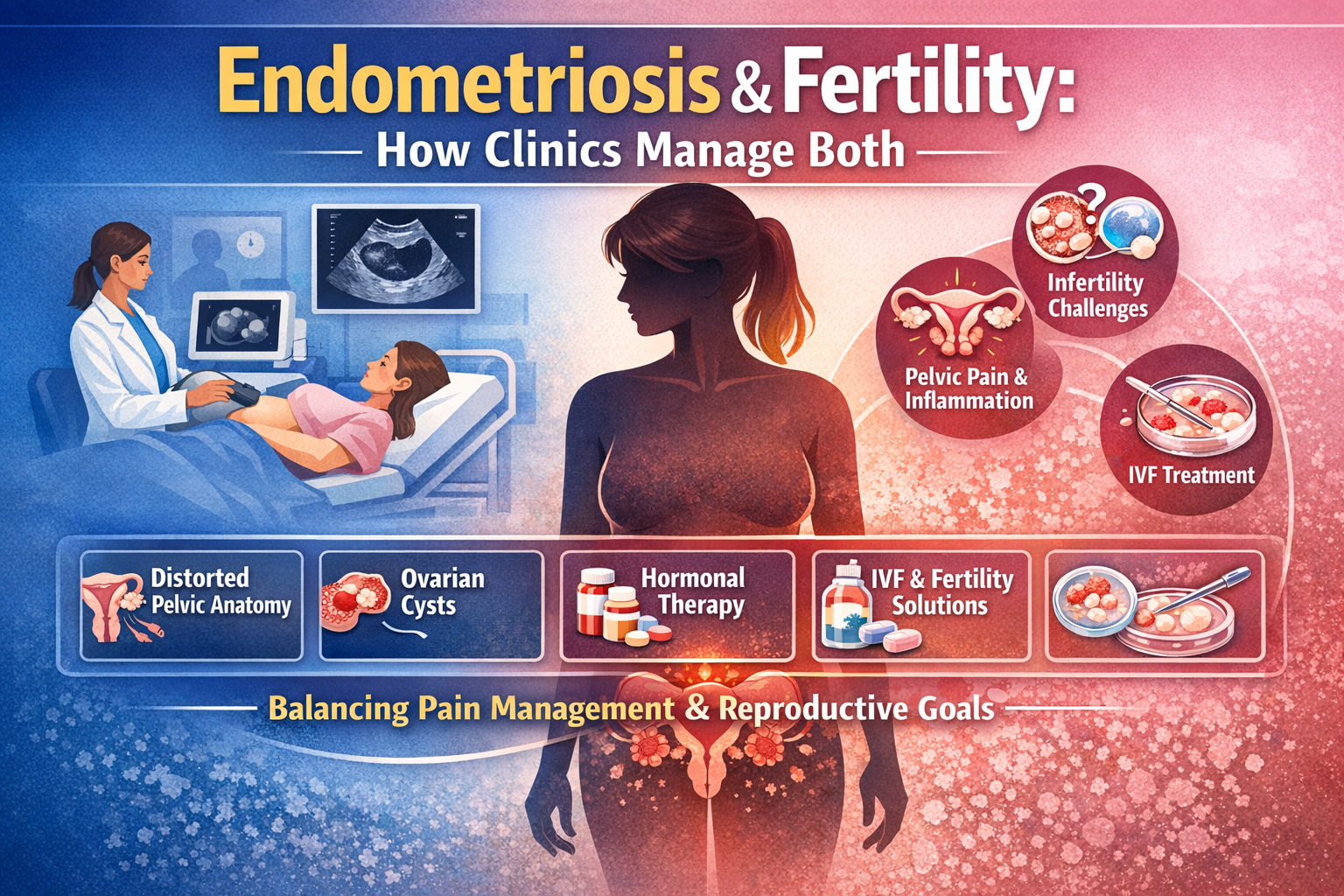
Endometriosis & Fertility: How Clinics Manage Both

Endometriosis is one of the most complex conditions encountered in reproductive medicine. It is a chronic, estrogen-dependent disorder in which tissue similar to the uterine lining grows outside the uterus—commonly affecting the ovaries, fallopian tubes, pelvic lining, and sometimes even the bowel or bladder.

Beyond pelvic pain and menstrual discomfort, endometriosis is strongly associated with infertility. Studies suggest that 30–50% of women with endometriosis may experience difficulty conceiving.

Managing endometriosis and fertility simultaneously requires a carefully structured, evidence-based approach. At advanced centers like Reviva IVF, a leading Infertility Clinic Chandigarh, specialists focus on preserving reproductive potential while controlling disease progression. This article explains how fertility clinics balance symptom control with reproductive goals.


How Endometriosis Affects Fertility

Endometriosis impacts fertility through multiple mechanisms:

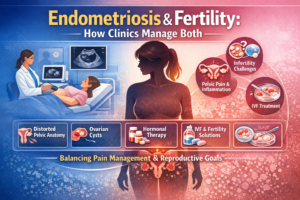
1. Distorted Pelvic Anatomy

Severe disease can cause:

  • Adhesions (scar tissue)
  • Blocked or damaged fallopian tubes
  • Displacement of reproductive organs

This interferes with egg pickup and sperm transport.

2. Ovarian Function Impairment

Ovarian endometriomas (chocolate cysts) may:

  • Reduce ovarian reserve
  • Affect egg quality
  • Complicate egg retrieval during IVF

3. Inflammatory Environment

Endometriosis increases pelvic inflammation, which can:

  • Impair fertilization
  • Affect embryo implantation
  • Increase miscarriage risk

4. Altered Endometrial Receptivity

The uterine lining itself may be less receptive to embryo implantation in some patients.


Classification Matters

Endometriosis is staged from I (minimal) to IV (severe) based on surgical findings. However, severity of pain does not always correlate with fertility impact.

  • Stage I–II (minimal to mild): Often subtle but can still impair conception.
  • Stage III–IV (moderate to severe): Associated with adhesions, cysts, and anatomical distortion.

Treatment planning differs significantly based on stage and patient age — something experienced reproductive specialists at the Best IVF Centre carefully assess before initiating therapy.


Diagnostic Approach in Fertility Clinics

A fertility-focused evaluation typically includes:

  • Detailed clinical history
  • Transvaginal ultrasound
  • AMH testing (ovarian reserve)
  • Hysterosalpingography (to check tubes)
  • Laparoscopy (in selected cases)

Modern clinics aim to avoid unnecessary surgery unless clearly indicated.


Treatment Strategies: Balancing Pain and Pregnancy

1. Medical Management (For Pain Control)

Hormonal therapies such as:

  • Oral contraceptives
  • Progestins
  • GnRH agonists

These suppress endometriosis activity but also prevent ovulation—making them unsuitable when immediate pregnancy is desired.

Therefore, pain management and fertility planning must be coordinated carefully.


2. Surgical Management

Laparoscopic surgery may be considered when:

  • Severe pain persists
  • Large endometriomas are present
  • Tubes are blocked
  • Pelvic anatomy is significantly distorted

However, repeated ovarian surgery can reduce ovarian reserve. Clinics carefully weigh the benefits versus the potential impact on egg quantity.


3. Natural Conception

For younger women with minimal disease and good ovarian reserve:

If pregnancy does not occur within 6–12 months, escalation to assisted techniques is considered.


4. IUI (Intrauterine Insemination)

In mild endometriosis cases:

  • IUI combined with ovulation stimulation may improve chances
  • Success rates decline in moderate to severe disease

Repeated failed IUIs are generally not recommended in advanced cases.


5. IVF (In Vitro Fertilization)

IVF is often the most effective treatment for moderate to severe endometriosis.

Benefits include:

  • Bypasses tubal damage
  • Reduces impact of pelvic inflammation
  • Allows controlled fertilization
  • Offers embryo freezing for future use

In advanced disease, IVF significantly improves pregnancy rates compared to natural attempts.


Special Considerations in IVF for Endometriosis Patients

Clinics often modify protocols by:

  • Using tailored stimulation strategies
  • Monitoring ovarian response closely
  • Considering freeze-all cycles in select cases
  • Optimizing endometrial preparation before transfer

If ovarian reserve is severely compromised, early intervention is critical.


Endometriosis & Egg Quality

Research suggests that while egg quantity may decline, egg quality is not universally affected in all patients. Age remains a stronger determinant of egg quality than endometriosis alone.

However, chronic inflammation may influence embryo development in some cases.


Psychological Impact

Endometriosis patients often experience:

  • Chronic pain
  • Delayed diagnosis
  • Emotional exhaustion
  • Fear of infertility

Integrated fertility care includes:

  • Counseling
  • Realistic timeline planning
  • Emotional support

The dual burden of pain and infertility requires empathetic, multidisciplinary management.


When to Seek Fertility Consultation

Immediate fertility evaluation is advised if:

  • Endometriosis is diagnosed
  • Age is above 30
  • Pain is severe
  • Ovarian cysts are present
  • Pregnancy has not occurred after 6–12 months

Early intervention prevents loss of valuable reproductive time.


Key Takeaways

  • Endometriosis affects fertility through inflammation, anatomical distortion, and ovarian impact.
  • Treatment must balance symptom control with reproductive goals.
  • IVF is often the most effective option in moderate to severe disease.
  • Surgery should be carefully evaluated to avoid compromising ovarian reserve.
  • Early fertility planning improves outcomes significantly.

Early Symptoms & Cause of PCOS

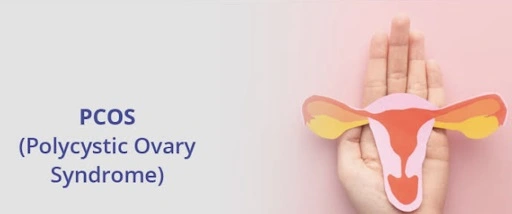
Polycystic ovary syndrome is a very common hormonal condition in females which causes hormonal imbalance. The females suffering from this produce excess of male’s hormones which results in delayed periods.
Early symptoms and cause of PCOS

In PCOS, high androgen levels disrupt reproductive hormones, causing imbalanced cycles, missed periods, and irregular ovulation.

Today we will be sharing the causes & symptoms of PCOS as per our fertility specialist & guide you through this.

What are the symptoms of PCOS

There is a possibility that you have PCOS & your body doesn’t represent any of the symptoms & on the other hand, some women start seeing symptoms around their first period itself.

Any how here are few prominent symptoms of PCOS

Cause of PCOS
As PCOS presents with a diverse array of symptoms, which can manifest differently each individual. The most typical signs are :

Irregular menstrual cycle:- ovulation might be uneven or irregular, or it may not occur at all, which can cause irregular menstrual periods or even a total absence of a monthly cycle.

Elevated Androgens: – it can cause actual side effects, including acne excessive face & body hair growth and male–pattern baldness.

Weight: Those dealing with PCOS often encounter challenges in managing their weight, heightening the likelihood of obesity.

It is crucial to remember that not everyone with PCOS will necessarily have all the symptoms, and symptom intensity can vary greatly.

Navigating Treatment Options for PCOS: A Holistic Approach

The PCOS treatment objectives include symptom relief, fertility improvement, and lowering the danger of long-term health issues.Lifestyle Modifications: Following a healthy lifestyle can be exceptionally useful in managing PCOS. Through a well-balanced diet and steady physical activity, it is possible to improve insulin sensitivity and establish regular menstrual cycles.Fertility Interventions: Fertility Intervention, for example, Ovulation Induction, IUI or In Vitro Fertilization ( IVF ), might be prompted for those attempting to get pregnant depending upon various factors.
Conclusion

In conclusion, PCOS is a complex hormonal condition with a range of symptoms and causes. By adopting a holistic approach that encompasses lifestyle changes, medications, and emotional support, individuals with PCOS can lead fulfilling lives and better navigate the challenges posed by this condition. For more information regarding PCOS visit us at Reviva fertility and IVF clinic in CHD or contact us at 9915004407.

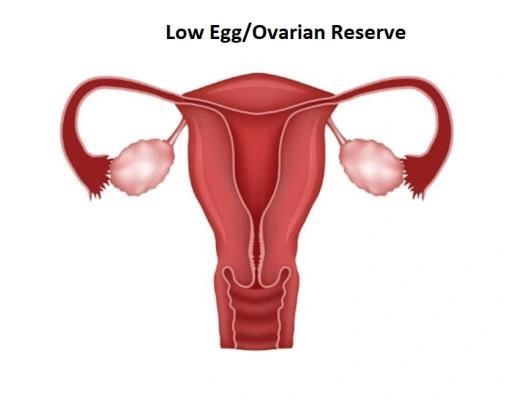
Low Ovarian Reserve:

LOW OVARIAN RESERVE: UNDERSTANDING CAUSES, IDENTIFYING & EXPLORING EFFECTIVE TREATMENTS

The ovaries are an essential component of the complex reproductive process of women. They protect the priceless eggs that give rise to life. Low ovarian reserve is a barrier some women may face on the path to pregnancy.
The condition can be difficult and emotionally exhausting. But with the right information, people can navigate this terrain more confidently and clearly.
Ovarian Reserve

What is Low Ovarian Reserve?

  • This is a medical condition wherein a woman’s ovaries contain fewer eggs than typical for her age.
  • This condition signifies a reduced potential for conception and decreased fertility due to decreased quantity and sometimes compromised quality of eggs. This condition can make it challenging to achieve pregnancy, elevate the risk of infertility & potentially accelerate the onset of menopause.

Diagnostic Methods

(Involves blood tests to assess hormone levels associated with ovarian function, including AMH & FSH). While it doesn’t guarantee infertility, individuals with this condition might encounter difficulties achieving natural pregnancy, they might explore fertility interventions such as IVF to enhance their likelihood of conception.

Understanding Low Ovarian Reserve: Unravelling the Causes

Diminished or reduced ovarian reserve, is a condition characterized by a limited supply of eggs of inferior quality within the ovaries. Since a woman possesses a fixed number of eggs from birth, these phenomena naturally transpire with age progression.
Ovarian Reserve Over the Years

Some of the causes of low ovarian reserve are:

✓Age
✓Genetics
✓Medical procedures
✓Unhealthy lifestyle choices
✓Influence of environmental factors

Recognizing the Symptoms

✓Irregular menstrual cycle
✓Hormones fluctuations
✓Abnormal bleeding
✓Fertility struggles
✓Diminished egg quality

Exploring effective treatments: Navigating the path forward

  • IVF
  • Egg donation
  • Treatment for infertility
  • Genetic testing for embryo implantation
  • Expert consultation
Conclusion: Empowered by knowledge, guided by hope
The journey through low ovarian reserve may be intricate, but armed with accurate information and supported by the skilled medical team at REVIVA fertility and IVF clinic, individuals can find their way toward realizing their dreams of parenthood. For more information, contact us at +91-9915004407.

Platelet Rich Plasma

Platelet Rich Plasma

Platelet Rich Plasma has been used alongside conventional fertility treatments like In Vitro Fertilization (IVF) to improve egg quality, uterine lining thickness and endometrial receptivity, primarily in the treatment of recurrent implantation failure expired once multiple cycles.
platelet rich plasma

What is PRP?

It is a concentrated blood product that contains high percentage of platelets. In general, whole blood is composed of 4 components:-
  • Plasma
  • Platelets
  • RBC’s
  • WBC’s
PRP Process

PRP Process:-

After the collection of blood sample from the patient, the sample is processed in a centrifugation machine for a certain interval of time

After the completion of time separate the plasma from the blood sample and again re-centrifuge for some time

Now the sample is ready to be infused in the woman’s uterus.

How is PRP used for IVF and other fertility treatments?

PRP is used in a no. of fertility treatments including IUI & IVF to assist with & improve uterine lining thickness/ enhance endometrial receptivity during an embryo transfer.

PRP for Egg Quantity & Quality

It is used to encourage an improvement in egg quality, ovarian rejuvenation & response to stimulate medications.
PRP for Egg Quantity

PRP for uterine lining growth & Endometrial Receptivity

PRP may be used to improve the endometrial receptivity of uterine lining prior to an embryo transfer. This is typically done in 48 hours prior to the anticipated embryo transfer.

During the procedure, approximately 1-3 ml is infused in the uterus using an IUI catheter.

The patient will rests for 30 minutes & is subsequently discharged for a normal daily activity.

If the infusions are intended for lining development (usually for someone with a history of failing to develop an adequate uterine lining).

The first PRP infusion would be done at the initial lining check and then repeated after 72 hrs later and if the lining remains inadequate.