


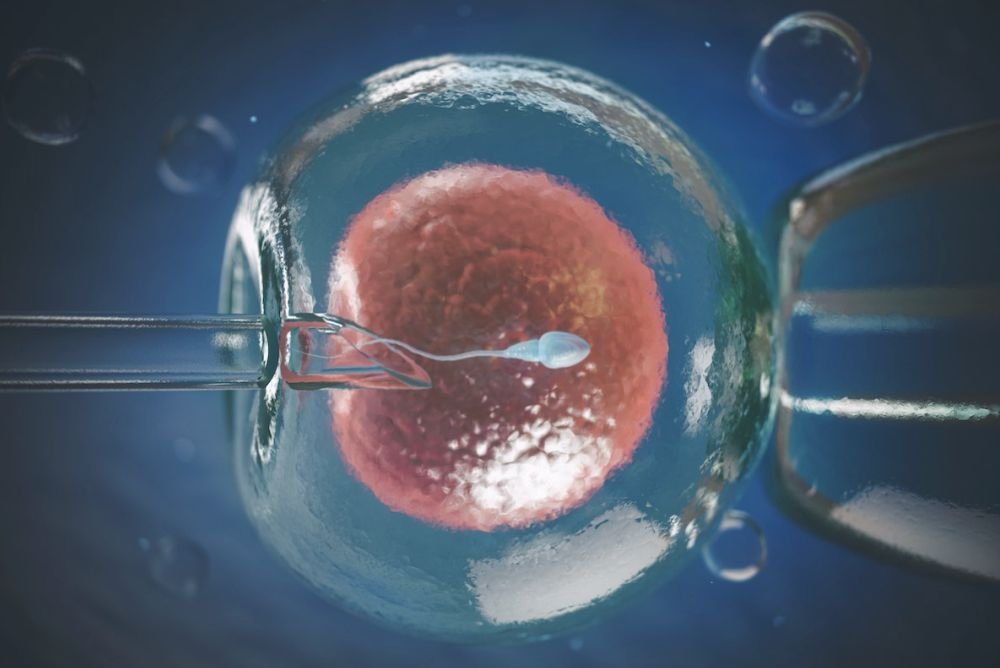
Behind every successful pregnancy lies a healthy embryo. But even the most promising embryos can carry unseen chromosomal abnormalities that affect implantation or lead to miscarriage. That’s where Preimplantation Genetic Testing (PGT) comes in — a major leap forward in IVF technology that allows fertility specialists to select genetically healthy embryos before transfer.
At Reviva IVF, Chandigarh, we integrate advanced genetic testing and embryo screening into our IVF protocols, helping couples achieve not just pregnancy—but a healthier start to parenthood.
What Is Preimplantation Genetic Testing (PGT)?
PGT is a laboratory procedure that examines embryos for chromosomal or genetic abnormalities before they are transferred into the uterus during IVF.
It involves removing a few cells from the embryo (on Day 5 or 6) for testing while keeping the embryo safely frozen until results are available.
Types of PGT
- PGT-A (Aneuploidy Testing): Detects abnormal numbers of chromosomes that can cause failed implantation or Down’s Syndrome.
- PGT-M (Monogenic Disorder Testing): Identifies specific inherited gene disorders like Thalassemia, Cystic Fibrosis, or Sickle Cell Anemia.
- PGT-SR (Structural Rearrangement Testing): Detects chromosomal translocations or duplications.
“PGT doesn’t create better embryos—it helps identify the healthiest ones for transfer.” — Embryology Team, Reviva IVF
Why Is PGT Important?
Even in high-quality embryos, genetic errors are common, especially as maternal age increases.
PGT improves success rates by ensuring only chromosomally normal embryos are transferred.
Benefits of PGT at Reviva IVF
✅ Reduces miscarriage risk.
✅ Increases implantation and live birth rates.
✅ Helps avoid transmission of inherited disorders.
✅ Enables single-embryo transfer (SET) without compromising success.
Who Should Consider PGT?
PGT is recommended for:
- Women aged 37 years and above.
- Couples with recurrent IVF failures.
- Patients with recurrent pregnancy loss.
- Known carriers of genetic or chromosomal conditions.
- Severe male-factor infertility with high DNA fragmentation.
At Reviva IVF, our doctors carefully assess whether genetic testing is necessary based on medical, ethical, and financial considerations.
How PGT Fits into the IVF Process
- IVF Cycle & Embryo Formation: Eggs and sperm are fertilized to create embryos.
- Biopsy & Freezing: A few cells from each blastocyst are gently removed for analysis.
- Genetic Testing: Using next-generation sequencing (NGS) or array CGH, chromosomes are analyzed.
- Result Review & Transfer: Only healthy, euploid embryos are selected for transfer in a later cycle.
Ethical and Emotional Aspects
While PGT adds cost and time, it reduces uncertainty for couples who have struggled with repeated losses or genetic risks.
Reviva IVF provides pre- and post-genetic counselling to help couples make informed decisions with clarity and confidence.
The Reviva IVF Advantage
- In-house embryology lab with AI-enabled embryo imaging and micromanipulation.
- Collaboration with accredited genetic labs for NGS-based testing.
- Customized protocols for older couples and carriers of hereditary disorders.
- End-to-end support — from biopsy to transfer to pregnancy follow-up.
“Our goal isn’t just conception—it’s the birth of a healthy baby.” — Reviva IVF Clinical Director
Conclusion
Genetic screening has redefined IVF success by ensuring that every embryo transferred is chromosomally healthy. At Reviva IVF, Chandigarh, we merge genetics and compassion to give couples the confidence that their journey to parenthood begins with the strongest foundation—healthy life at its very first cell.


