
Mind-Body Connection in IVF: How Stress Impacts Fertility Outcomes

Infertility treatment is often described as a physical journey, but it’s equally an emotional one. The stress of repeated procedures, financial concerns, and social pressure can take a significant toll—sometimes even affecting the outcome of treatment itself.

At Reviva IVF, Chandigarh, we recognize that fertility isn’t just about hormones and cells—it’s about balance between the mind and body. Understanding how emotional well-being interacts with reproductive health can make a measurable difference in IVF success rates.

The Biology of Stress and Fertility

When you’re under chronic stress, the body releases high levels of cortisol and adrenaline, hormones that can disrupt the delicate reproductive balance. Elevated stress levels can:

  • Alter the release of GnRH (gonadotropin-releasing hormone), which regulates ovulation.
  • Reduce LH and FSH levels, affecting egg maturation.
  • Increase uterine contractility, making implantation more difficult.
  • Affect sperm count and motility in men.

Scientific studies have shown that women with lower stress markers during IVF cycles tend to have higher implantation and pregnancy rates.

“The mind influences the uterus more than we once believed—relaxation isn’t luxury; it’s medicine.” — Reviva IVF Counselling Team

Emotional Stress During IVF

The emotional roller coaster of IVF is unlike any other medical treatment. Couples often experience:

  • Anxiety during stimulation and egg retrieval.
  • Emotional fatigue during the two-week wait.
  • Fear of failure due to previous unsuccessful attempts.
  • Social isolation or guilt.

At Reviva IVF, our counsellors describe this phase as “hope under pressure”—a time when emotional resilience matters as much as medical precision.

How Stress Affects IVF Outcomes

1. Hormonal Imbalance

Stress-induced cortisol interferes with estrogen and progesterone production, key hormones for follicle development and implantation.

2. Reduced Blood Flow to the Uterus

Stress activates the sympathetic nervous system (“fight or flight”), diverting blood flow away from the reproductive organs.

3. Lifestyle Effects

Sleep deprivation, overeating, smoking, or alcohol consumption—often stress-driven—further reduce fertility potential.

4. Partner Strain

Emotional disconnect between partners can lower compliance, timing, and even success during treatment.

The Mind-Body Approach at Reviva IVF

Our philosophy of care is built on three pillars—medical excellence, emotional support, and holistic wellness.

  1. Integrated Counselling:
    Every couple is offered psychological support sessions throughout the IVF cycle.
    These sessions teach coping mechanisms, guided relaxation, and communication strategies.
  2. Mindfulness and Yoga Therapy:
    Regular breathing exercises, meditation, and gentle yoga improve blood flow to the uterus and lower cortisol levels.
  3. Nutritional and Lifestyle Coaching:
    A balanced diet rich in antioxidants and micronutrients supports both hormonal and emotional stability.
  4. Partner Involvement:
    Joint counselling helps partners understand each other’s emotional responses, strengthening teamwork during treatment.

“A calm mind nurtures a receptive body—and a receptive body welcomes new life.” — Clinical Director, Reviva IVF

Practical Tips for Patients

  • Practice deep breathing or guided meditation daily.
  • Maintain regular sleep and hydration.
  • Limit caffeine and processed foods.
  • Stay active with light walking or yoga.
  • Seek community—Reviva’s patient support group helps couples share experiences and normalize emotions.

Final Word

IVF success depends on more than technology—it’s a partnership between emotional strength and scientific expertise.
At Reviva IVF, Chandigarh, we treat fertility as a complete journey, nurturing both body and mind so that hope can transform into life.

Because when your mind heals, your body listens—and sometimes, that’s all it takes for a new heartbeat to begin.
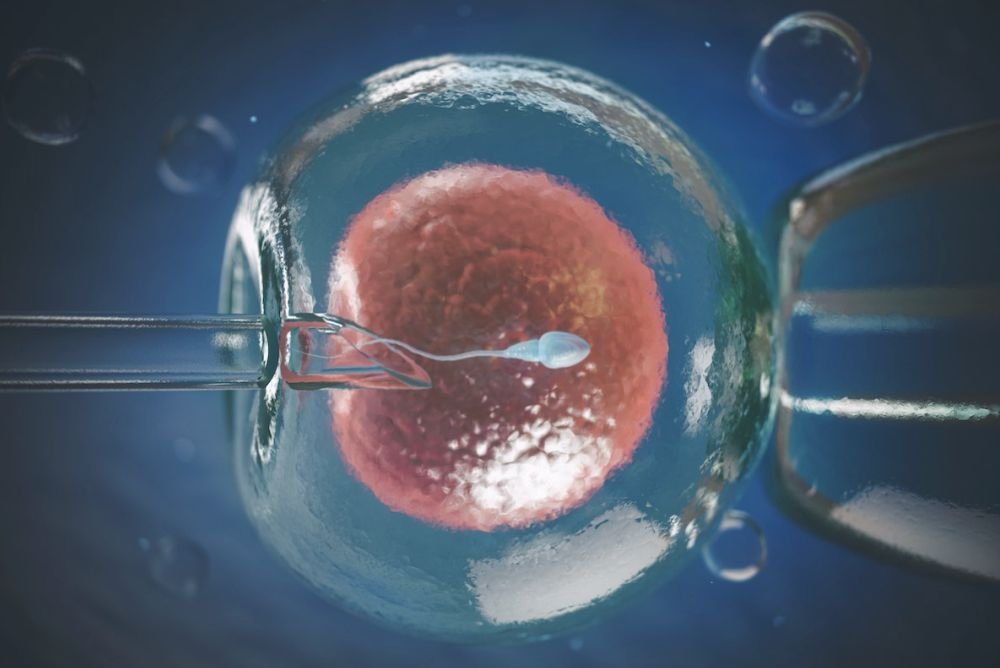
PGT & Genetic Testing in IVF: Ensuring Healthier Embryos and Pregnancies

Behind every successful pregnancy lies a healthy embryo. But even the most promising embryos can carry unseen chromosomal abnormalities that affect implantation or lead to miscarriage. That’s where Preimplantation Genetic Testing (PGT) comes in — a major leap forward in IVF technology that allows fertility specialists to select genetically healthy embryos before transfer.

At Reviva IVF, Chandigarh, we integrate advanced genetic testing and embryo screening into our IVF protocols, helping couples achieve not just pregnancy—but a healthier start to parenthood.

What Is Preimplantation Genetic Testing (PGT)?

PGT is a laboratory procedure that examines embryos for chromosomal or genetic abnormalities before they are transferred into the uterus during IVF.
It involves removing a few cells from the embryo (on Day 5 or 6) for testing while keeping the embryo safely frozen until results are available.

Types of PGT

  1. PGT-A (Aneuploidy Testing): Detects abnormal numbers of chromosomes that can cause failed implantation or Down’s Syndrome.
  2. PGT-M (Monogenic Disorder Testing): Identifies specific inherited gene disorders like Thalassemia, Cystic Fibrosis, or Sickle Cell Anemia.
  3. PGT-SR (Structural Rearrangement Testing): Detects chromosomal translocations or duplications.

“PGT doesn’t create better embryos—it helps identify the healthiest ones for transfer.” — Embryology Team, Reviva IVF

Why Is PGT Important?

Even in high-quality embryos, genetic errors are common, especially as maternal age increases.
PGT improves success rates by ensuring only chromosomally normal embryos are transferred.

Benefits of PGT at Reviva IVF

✅ Reduces miscarriage risk.
✅ Increases implantation and live birth rates.
✅ Helps avoid transmission of inherited disorders.
✅ Enables single-embryo transfer (SET) without compromising success.

Who Should Consider PGT?

PGT is recommended for:

  • Women aged 37 years and above.
  • Couples with recurrent IVF failures.
  • Patients with recurrent pregnancy loss.
  • Known carriers of genetic or chromosomal conditions.
  • Severe male-factor infertility with high DNA fragmentation.

At Reviva IVF, our doctors carefully assess whether genetic testing is necessary based on medical, ethical, and financial considerations.

How PGT Fits into the IVF Process

  1. IVF Cycle & Embryo Formation: Eggs and sperm are fertilized to create embryos.
  2. Biopsy & Freezing: A few cells from each blastocyst are gently removed for analysis.
  3. Genetic Testing: Using next-generation sequencing (NGS) or array CGH, chromosomes are analyzed.
  4. Result Review & Transfer: Only healthy, euploid embryos are selected for transfer in a later cycle.

Ethical and Emotional Aspects

While PGT adds cost and time, it reduces uncertainty for couples who have struggled with repeated losses or genetic risks.
Reviva IVF provides pre- and post-genetic counselling to help couples make informed decisions with clarity and confidence.

The Reviva IVF Advantage

  • In-house embryology lab with AI-enabled embryo imaging and micromanipulation.
  • Collaboration with accredited genetic labs for NGS-based testing.
  • Customized protocols for older couples and carriers of hereditary disorders.
  • End-to-end support — from biopsy to transfer to pregnancy follow-up.

“Our goal isn’t just conception—it’s the birth of a healthy baby.” — Reviva IVF Clinical Director

Conclusion

Genetic screening has redefined IVF success by ensuring that every embryo transferred is chromosomally healthy. At Reviva IVF, Chandigarh, we merge genetics and compassion to give couples the confidence that their journey to parenthood begins with the strongest foundation—healthy life at its very first cell.

Fertility Beyond Age: How IVF is Changing the Parenthood Timeline

The idea of parenthood has evolved. With changing lifestyles, demanding careers, and social priorities, more couples today plan families later in life. But while age may affect natural fertility, science—through In Vitro Fertilization (IVF)—has rewritten what’s possible.

At Reviva IVF, Chandigarh, we specialize in helping women conceive beyond the conventional biological window, offering hope and success through personalized fertility care.

The Age–Fertility Connection

A woman is born with all the eggs she’ll ever have. As age advances:

  • Quantity (ovarian reserve) declines.
  • Quality (genetic integrity) also reduces.

After 35 years, both egg count and quality drop sharply; after 40, natural conception rates fall below 10 %. However, thanks to advanced stimulation protocols, IVF can retrieve and fertilize the healthiest remaining eggs, significantly improving outcomes even in the late 30s and 40s.

“Age is a factor, not a barrier. What matters is the science and timing behind your treatment.” — Reviva IVF Clinical Team

How IVF Helps Overcome Age-Related Challenges

  1. Controlled Ovarian Stimulation (COS)
    – Tailored medication protocols stimulate optimal follicle growth while preventing premature ovulation.
  2. ICSI (Intracytoplasmic Sperm Injection)
    – Ensures fertilization even when egg numbers are low.
  3. Blastocyst Culture & Embryo Selection
    – Growing embryos to Day 5 allows the lab to choose the strongest blastocyst for transfer.
  4. PGT-A (Preimplantation Genetic Testing for Aneuploidy)
    – Screens embryos for chromosomal normalcy—critical for women > 38 yrs to reduce miscarriage risk.
  5. Egg or Embryo Freezing (Cryopreservation)
    – Preserves reproductive potential for future use.

Fertility Options After 40

ScenarioRecommended Strategy
Still menstruating, reasonable AMHIVF + PGT-A for best embryo selection
Poor ovarian reserveDonor-egg IVF
Previously frozen eggsIVF with vitrified oocytes
Single women or late marriageElective egg freezing

At Reviva IVF, every plan begins with AMH testing, antral-follicle count, and a complete fertility work-up to design a cycle scientifically matched to each patient.

Success Stories Beyond Age

Women in their early 40s have achieved healthy pregnancies at Reviva IVF using both self-eggs and donor programs.
Our clinicians attribute this to three factors:
1️⃣ Personalized stimulation and hormone monitoring.
2️⃣ Advanced embryo grading and laser-assisted hatching.
3️⃣ Compassionate counselling that keeps stress under control.

Emotional and Physical Preparedness

While technology assists conception, holistic health sustains it.

  • Maintain ideal BMI.
  • Prioritize antioxidant-rich nutrition.
  • Manage stress via yoga or guided relaxation.
  • Avoid smoking and alcohol.

Final Word

The biological clock may tick, but modern IVF can pause it long enough for dreams to come true.
At Reviva IVF, Chandigarh, every cycle blends medical innovation with emotional understanding—because fertility care is not about defying age, it’s about redefining possibility.