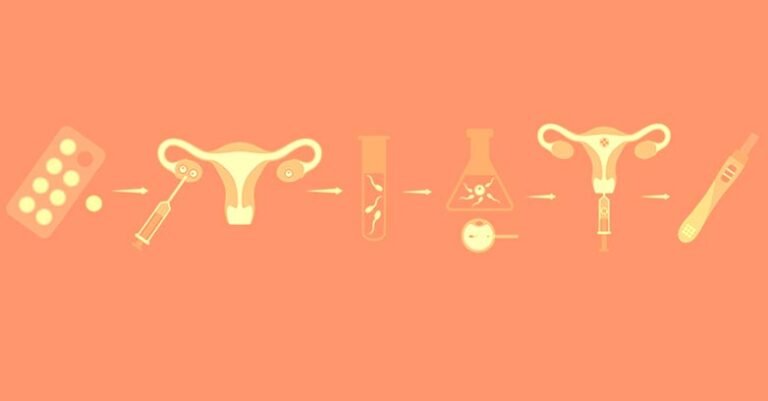
Understanding Endometrial Receptivity: The Hidden Factor Behind IVF Success

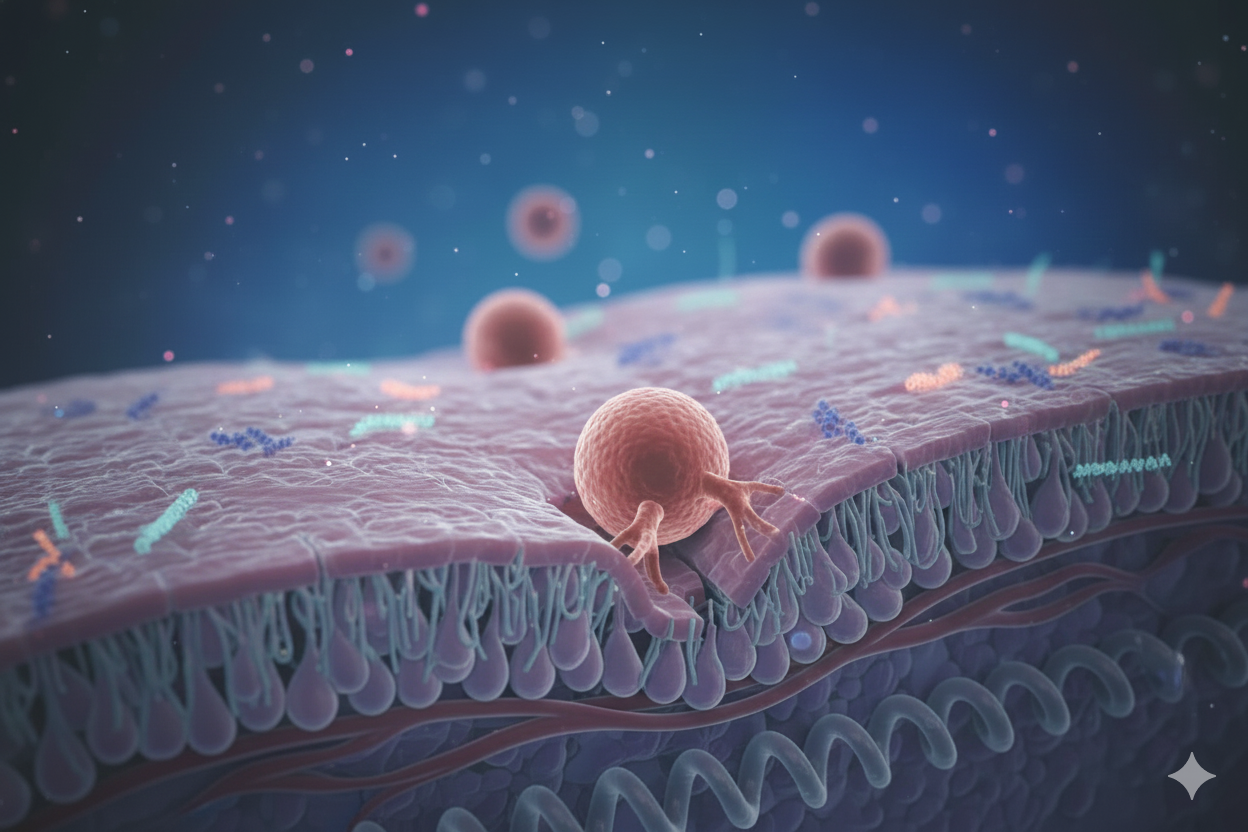
When an embryo fails to implant despite being of good quality, the cause often lies not in the embryo itself, but in the uterine lining—specifically, its ability to receive and nurture the embryo. This ability, known as endometrial receptivity, is one of the most crucial and least understood factors in IVF success.

At Reviva IVF, Chandigarh, our specialists focus not just on creating strong embryos but on ensuring that the uterus is perfectly synchronized to accept them. Through advanced diagnostic tools like ERA (Endometrial Receptivity Analysis), we customize embryo transfer timing for each patient, improving the chances of a healthy pregnancy.

What Is Endometrial Receptivity?

The endometrium (uterine lining) undergoes cyclic changes under the influence of estrogen and progesterone. There is a short period—usually between Day 19 and Day 23 of a regular cycle—when it is most receptive to an embryo. This is called the “Window of Implantation.”

If the embryo is transferred outside this window, implantation may fail even if both the embryo and uterus are otherwise healthy.

“Even the best embryo needs the right moment to meet its home.” — Dr. Deepika Gupta, Senior Fertility Specialist, Reviva IVF

Why Endometrial Receptivity Matters

A receptive endometrium allows the embryo to attach, invade, and form a healthy placenta. When receptivity is poor, issues like implantation failure, early miscarriage, or thin endometrium may occur.

Common causes include:

  • Hormonal imbalance or luteal phase defect.
  • Excess estrogen or insufficient progesterone.
  • Chronic endometritis or infection.
  • Thin endometrial lining (<7mm).
  • Autoimmune and inflammatory conditions.

How Reviva IVF Assesses Endometrial Receptivity

  1. Ultrasound and Doppler Assessment
    – Measures endometrial thickness, pattern, and blood flow.
  2. Hormonal Evaluation
    – Ensures adequate progesterone and estrogen levels before embryo transfer.
  3. Endometrial Receptivity Analysis (ERA Test)
    – A molecular diagnostic test that evaluates the expression of over 200 genes linked to receptivity.
    – Determines whether the “window of implantation” is normal, delayed, or advanced.

With ERA, Reviva IVF creates a Personalized Embryo Transfer (pET) plan that aligns embryo transfer timing with the patient’s unique biological clock.

Optimizing the Uterine Environment

Beyond diagnostics, Reviva IVF employs multiple therapies to improve endometrial health:

  • PRP (Platelet-Rich Plasma) Therapy to stimulate endometrial growth.
  • G-CSF Infusion for thin lining cases.
  • Luteal-phase support with progesterone supplementation.
  • Lifestyle and dietary interventions to enhance uterine blood flow.

“Endometrial receptivity isn’t just about measurement—it’s about creating the perfect microenvironment for life to begin.” — Reviva IVF Embryology Team

When to Consider ERA Testing

  • Repeated IVF failures despite good-quality embryos.
  • Unexplained implantation failure.
  • Women above 37 years.
  • Patients with irregular menstrual cycles or hormonal imbalance.
  • History of thin endometrium or poor response to progesterone.

ERA-guided embryo transfers have shown 20–25% higher implantation rates compared to conventional timing, especially in recurrent failure cases.

The Reviva IVF Difference

  • Advanced molecular diagnostics for ERA and hormone mapping.
  • Expertise in synchronized, personalized embryo transfer.
  • Integration of endometrial therapies into IVF protocols.
  • Comprehensive follow-up to monitor uterine health post-transfer.

Conclusion

Endometrial receptivity is the bridge between science and nature—where precision meets timing.
At Reviva IVF, Chandigarh, our approach ensures that every transfer happens at the most receptive moment, giving every embryo the best possible chance to implant and grow.

Because success in IVF isn’t just about creating life—it’s about preparing the perfect place for it to begin.

Mind-Body Connection in IVF: How Stress Impacts Fertility Outcomes

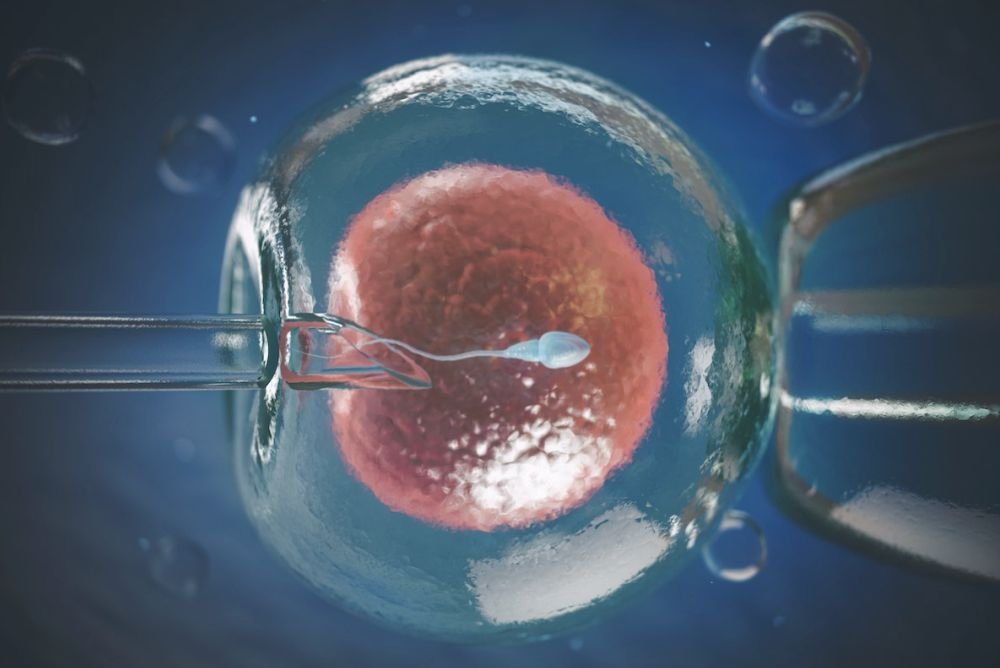
Infertility treatment is often described as a physical journey, but it’s equally an emotional one. The stress of repeated procedures, financial concerns, and social pressure can take a significant toll—sometimes even affecting the outcome of treatment itself.

At Reviva IVF, Chandigarh, we recognize that fertility isn’t just about hormones and cells—it’s about balance between the mind and body. Understanding how emotional well-being interacts with reproductive health can make a measurable difference in IVF success rates.

The Biology of Stress and Fertility

When you’re under chronic stress, the body releases high levels of cortisol and adrenaline, hormones that can disrupt the delicate reproductive balance. Elevated stress levels can:

  • Alter the release of GnRH (gonadotropin-releasing hormone), which regulates ovulation.
  • Reduce LH and FSH levels, affecting egg maturation.
  • Increase uterine contractility, making implantation more difficult.
  • Affect sperm count and motility in men.

Scientific studies have shown that women with lower stress markers during IVF cycles tend to have higher implantation and pregnancy rates.

“The mind influences the uterus more than we once believed—relaxation isn’t luxury; it’s medicine.” — Reviva IVF Counselling Team

Emotional Stress During IVF

The emotional roller coaster of IVF is unlike any other medical treatment. Couples often experience:

  • Anxiety during stimulation and egg retrieval.
  • Emotional fatigue during the two-week wait.
  • Fear of failure due to previous unsuccessful attempts.
  • Social isolation or guilt.

At Reviva IVF, our counsellors describe this phase as “hope under pressure”—a time when emotional resilience matters as much as medical precision.

How Stress Affects IVF Outcomes

1. Hormonal Imbalance

Stress-induced cortisol interferes with estrogen and progesterone production, key hormones for follicle development and implantation.

2. Reduced Blood Flow to the Uterus

Stress activates the sympathetic nervous system (“fight or flight”), diverting blood flow away from the reproductive organs.

3. Lifestyle Effects

Sleep deprivation, overeating, smoking, or alcohol consumption—often stress-driven—further reduce fertility potential.

4. Partner Strain

Emotional disconnect between partners can lower compliance, timing, and even success during treatment.

The Mind-Body Approach at Reviva IVF

Our philosophy of care is built on three pillars—medical excellence, emotional support, and holistic wellness.

  1. Integrated Counselling:
    Every couple is offered psychological support sessions throughout the IVF cycle.
    These sessions teach coping mechanisms, guided relaxation, and communication strategies.
  2. Mindfulness and Yoga Therapy:
    Regular breathing exercises, meditation, and gentle yoga improve blood flow to the uterus and lower cortisol levels.
  3. Nutritional and Lifestyle Coaching:
    A balanced diet rich in antioxidants and micronutrients supports both hormonal and emotional stability.
  4. Partner Involvement:
    Joint counselling helps partners understand each other’s emotional responses, strengthening teamwork during treatment.

“A calm mind nurtures a receptive body—and a receptive body welcomes new life.” — Clinical Director, Reviva IVF

Practical Tips for Patients

  • Practice deep breathing or guided meditation daily.
  • Maintain regular sleep and hydration.
  • Limit caffeine and processed foods.
  • Stay active with light walking or yoga.
  • Seek community—Reviva’s patient support group helps couples share experiences and normalize emotions.

Final Word

IVF success depends on more than technology—it’s a partnership between emotional strength and scientific expertise.
At Reviva IVF, Chandigarh, we treat fertility as a complete journey, nurturing both body and mind so that hope can transform into life.

Because when your mind heals, your body listens—and sometimes, that’s all it takes for a new heartbeat to begin.

PGT & Genetic Testing in IVF: Ensuring Healthier Embryos and Pregnancies

Behind every successful pregnancy lies a healthy embryo. But even the most promising embryos can carry unseen chromosomal abnormalities that affect implantation or lead to miscarriage. That’s where Preimplantation Genetic Testing (PGT) comes in — a major leap forward in IVF technology that allows fertility specialists to select genetically healthy embryos before transfer.

At Reviva IVF, Chandigarh, we integrate advanced genetic testing and embryo screening into our IVF protocols, helping couples achieve not just pregnancy—but a healthier start to parenthood.

What Is Preimplantation Genetic Testing (PGT)?

PGT is a laboratory procedure that examines embryos for chromosomal or genetic abnormalities before they are transferred into the uterus during IVF.
It involves removing a few cells from the embryo (on Day 5 or 6) for testing while keeping the embryo safely frozen until results are available.

Types of PGT

  1. PGT-A (Aneuploidy Testing): Detects abnormal numbers of chromosomes that can cause failed implantation or Down’s Syndrome.
  2. PGT-M (Monogenic Disorder Testing): Identifies specific inherited gene disorders like Thalassemia, Cystic Fibrosis, or Sickle Cell Anemia.
  3. PGT-SR (Structural Rearrangement Testing): Detects chromosomal translocations or duplications.

“PGT doesn’t create better embryos—it helps identify the healthiest ones for transfer.” — Embryology Team, Reviva IVF

Why Is PGT Important?

Even in high-quality embryos, genetic errors are common, especially as maternal age increases.
PGT improves success rates by ensuring only chromosomally normal embryos are transferred.

Benefits of PGT at Reviva IVF

✅ Reduces miscarriage risk.
✅ Increases implantation and live birth rates.
✅ Helps avoid transmission of inherited disorders.
✅ Enables single-embryo transfer (SET) without compromising success.

Who Should Consider PGT?

PGT is recommended for:

  • Women aged 37 years and above.
  • Couples with recurrent IVF failures.
  • Patients with recurrent pregnancy loss.
  • Known carriers of genetic or chromosomal conditions.
  • Severe male-factor infertility with high DNA fragmentation.

At Reviva IVF, our doctors carefully assess whether genetic testing is necessary based on medical, ethical, and financial considerations.

How PGT Fits into the IVF Process

  1. IVF Cycle & Embryo Formation: Eggs and sperm are fertilized to create embryos.
  2. Biopsy & Freezing: A few cells from each blastocyst are gently removed for analysis.
  3. Genetic Testing: Using next-generation sequencing (NGS) or array CGH, chromosomes are analyzed.
  4. Result Review & Transfer: Only healthy, euploid embryos are selected for transfer in a later cycle.

Ethical and Emotional Aspects

While PGT adds cost and time, it reduces uncertainty for couples who have struggled with repeated losses or genetic risks.
Reviva IVF provides pre- and post-genetic counselling to help couples make informed decisions with clarity and confidence.

The Reviva IVF Advantage

  • In-house embryology lab with AI-enabled embryo imaging and micromanipulation.
  • Collaboration with accredited genetic labs for NGS-based testing.
  • Customized protocols for older couples and carriers of hereditary disorders.
  • End-to-end support — from biopsy to transfer to pregnancy follow-up.

“Our goal isn’t just conception—it’s the birth of a healthy baby.” — Reviva IVF Clinical Director

Conclusion

Genetic screening has redefined IVF success by ensuring that every embryo transferred is chromosomally healthy. At Reviva IVF, Chandigarh, we merge genetics and compassion to give couples the confidence that their journey to parenthood begins with the strongest foundation—healthy life at its very first cell.

Fertility Beyond Age: How IVF is Changing the Parenthood Timeline

The idea of parenthood has evolved. With changing lifestyles, demanding careers, and social priorities, more couples today plan families later in life. But while age may affect natural fertility, science—through In Vitro Fertilization (IVF)—has rewritten what’s possible.

At Reviva IVF, Chandigarh, we specialize in helping women conceive beyond the conventional biological window, offering hope and success through personalized fertility care.

The Age–Fertility Connection

A woman is born with all the eggs she’ll ever have. As age advances:

  • Quantity (ovarian reserve) declines.
  • Quality (genetic integrity) also reduces.

After 35 years, both egg count and quality drop sharply; after 40, natural conception rates fall below 10 %. However, thanks to advanced stimulation protocols, IVF can retrieve and fertilize the healthiest remaining eggs, significantly improving outcomes even in the late 30s and 40s.

“Age is a factor, not a barrier. What matters is the science and timing behind your treatment.” — Reviva IVF Clinical Team

How IVF Helps Overcome Age-Related Challenges

  1. Controlled Ovarian Stimulation (COS)
    – Tailored medication protocols stimulate optimal follicle growth while preventing premature ovulation.
  2. ICSI (Intracytoplasmic Sperm Injection)
    – Ensures fertilization even when egg numbers are low.
  3. Blastocyst Culture & Embryo Selection
    – Growing embryos to Day 5 allows the lab to choose the strongest blastocyst for transfer.
  4. PGT-A (Preimplantation Genetic Testing for Aneuploidy)
    – Screens embryos for chromosomal normalcy—critical for women > 38 yrs to reduce miscarriage risk.
  5. Egg or Embryo Freezing (Cryopreservation)
    – Preserves reproductive potential for future use.

Fertility Options After 40

ScenarioRecommended Strategy
Still menstruating, reasonable AMHIVF + PGT-A for best embryo selection
Poor ovarian reserveDonor-egg IVF
Previously frozen eggsIVF with vitrified oocytes
Single women or late marriageElective egg freezing

At Reviva IVF, every plan begins with AMH testing, antral-follicle count, and a complete fertility work-up to design a cycle scientifically matched to each patient.

Success Stories Beyond Age

Women in their early 40s have achieved healthy pregnancies at Reviva IVF using both self-eggs and donor programs.
Our clinicians attribute this to three factors:
1️⃣ Personalized stimulation and hormone monitoring.
2️⃣ Advanced embryo grading and laser-assisted hatching.
3️⃣ Compassionate counselling that keeps stress under control.

Emotional and Physical Preparedness

While technology assists conception, holistic health sustains it.

  • Maintain ideal BMI.
  • Prioritize antioxidant-rich nutrition.
  • Manage stress via yoga or guided relaxation.
  • Avoid smoking and alcohol.

Final Word

The biological clock may tick, but modern IVF can pause it long enough for dreams to come true.
At Reviva IVF, Chandigarh, every cycle blends medical innovation with emotional understanding—because fertility care is not about defying age, it’s about redefining possibility.

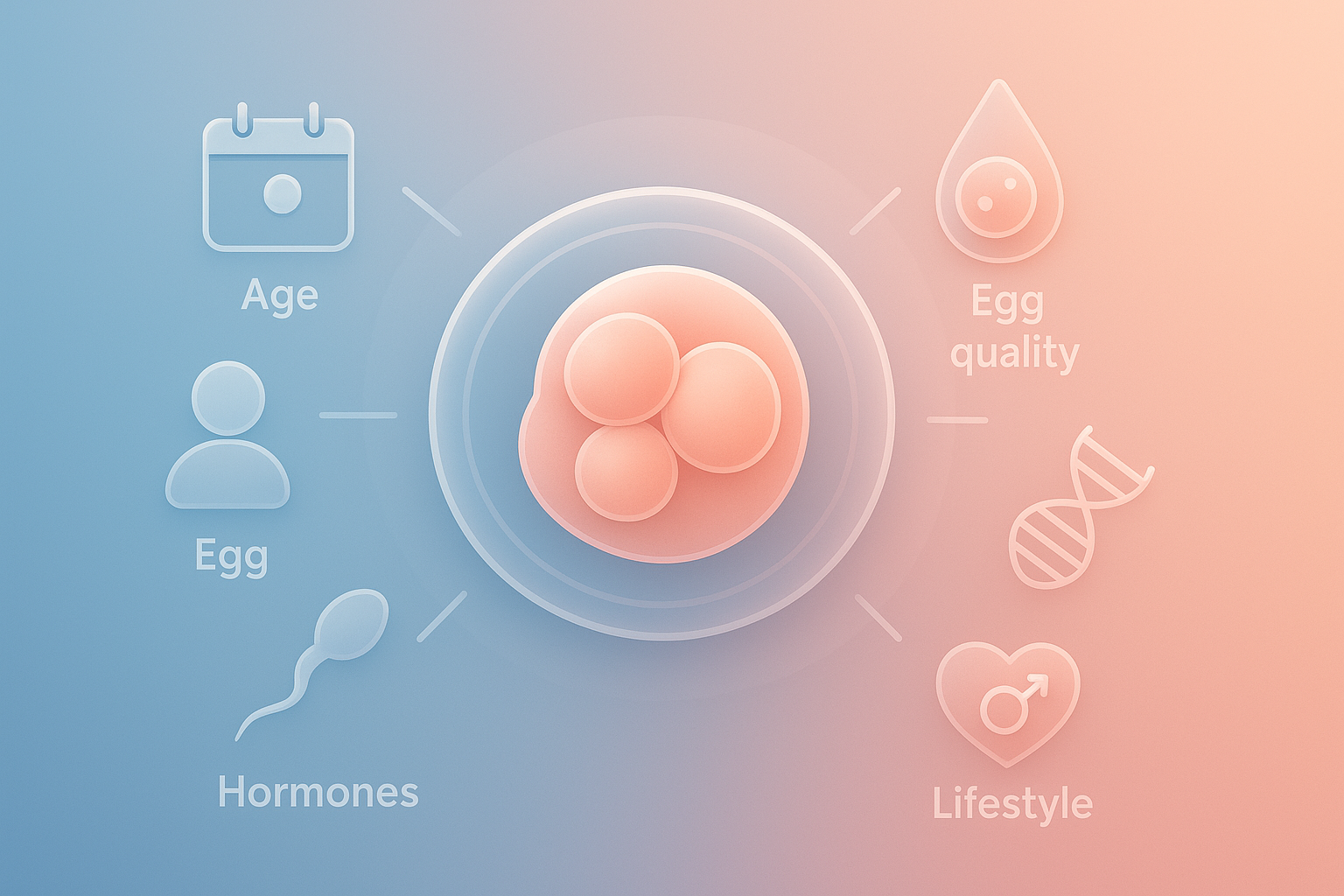
Understanding the IVF Success Rate: What Really Affects It

In vitro fertilization (IVF) has become a beacon of hope for countless couples struggling with infertility. Yet, one question remains constant — “What is the success rate of IVF?” The truth is, IVF success depends on a combination of medical, biological, and personal factors.
At Reviva IVF Clinic in Chandigarh, every treatment plan is personalized to maximize your chances of pregnancy — backed by advanced technology, expertise, and compassionate care.


What Does IVF Success Rate Really Mean?

The IVF success rate refers to the percentage of IVF cycles that result in a live birth. However, this number can vary significantly between clinics and patients, depending on:

  • Age of the woman
  • Quality of eggs and sperm
  • Cause of infertility
  • Type of treatment protocol used
  • Laboratory conditions and embryologist expertise

At Reviva IVF, success isn’t just about statistics — it’s about sustaining pregnancies and delivering healthy babies.


 Key Factors That Influence IVF Success

 Age and Ovarian Reserve

Age is one of the most critical determinants.

  • Women under 35 have a higher chance of producing healthy eggs.
  • After 35, egg quality and quantity begin to decline, affecting fertilization and embryo development.

At Reviva IVF, ovarian reserve testing (AMH and AFC) helps customize the best stimulation protocol for each patient.


 Egg and Sperm Quality

Healthy eggs and motile sperm are essential for forming viable embryos.

  • Poor egg quality can lead to chromosomal abnormalities.
  • Low sperm count or motility can hinder fertilization.
    Through advanced techniques like ICSI (Intracytoplasmic Sperm Injection), Reviva IVF overcomes even severe male factor infertility.

 Uterine and Endometrial Health

A healthy endometrial lining is crucial for embryo implantation.
Thin or irregular linings can reduce success rates.
Reviva IVF uses advanced ultrasound and Doppler studies to assess uterine receptivity and ensure perfect timing for embryo transfer.


 Lifestyle and Emotional Health

Smoking, alcohol, stress, obesity, and poor diet negatively affect fertility outcomes.
At Reviva IVF, patients receive comprehensive lifestyle counseling — including stress management and nutrition guidance — to support the IVF journey.


 Embryology Lab & Technology

Even the best eggs and sperm need an optimal lab environment to thrive.
Reviva IVF’s state-of-the-art embryology lab is equipped with:

  • Air purification systems
  • Time-lapse incubators
  • Vitrification (rapid freezing) technology

These ensure that embryos grow in the safest and most stable conditions possible.


 How Reviva IVF Maximizes Success

  • Personalized treatment protocols based on diagnostic results
  • Preimplantation Genetic Testing (PGT) for chromosomal screening
  • Advanced embryo culture up to the blastocyst stage
  • Holistic support system — medical + emotional + lifestyle

Each IVF cycle is a carefully monitored process — from egg retrieval to embryo transfer — with constant guidance from experienced fertility specialists.


 Expert Insight

“Success in IVF isn’t just about achieving pregnancy — it’s about creating the healthiest possible start for both mother and baby.”
— Dr. Sandeep Cheema Sohi, Director & Chief Fertility Specialist, Reviva IVF Chandigarh


Conclusion

While IVF success rates depend on several biological and clinical factors, the right expertise, technology, and emotional support can make all the difference.
At Reviva IVF, Chandigarh, every couple receives a personalized approach — blending science with care — to help them take one step closer to parenthood.

How Pooling of Embryo Helps in IVF: A Strategic Approach to Success

Introduction

IVF treatments are advancing rapidly, with new techniques improving success rates. One such technique is embryo pooling, a process where embryos from multiple IVF cycles are collected and frozen for future use. This approach has proven beneficial for couples with low ovarian reserves or those who have faced multiple failed IVF attempts.

Embryo Pooling in IVF Success

What is Embryo Pooling?

Embryo pooling involves retrieving eggs over multiple cycles, fertilizing them, and freezing the resulting embryos. Once an adequate number of embryos are collected, the best ones are selected for implantation.

Why is Embryo Pooling Beneficial?

Higher Chances of Pregnancy

  • Pooling allows doctors to select the healthiest embryos, increasing implantation success rates.

Ideal for Women with Low Ovarian Reserve

  • Women with diminished ovarian reserves (low egg count) may not produce enough viable embryos in a single cycle. Pooling offers them a better chance at success.

Better Embryo Selection for PGT-A Testing

  • Preimplantation Genetic Testing for Aneuploidies (PGT-A) helps screen embryos for genetic abnormalities. Pooling provides more embryos for screening, improving the odds of a healthy pregnancy.

Reduced Emotional and Physical Stress

  • Instead of going through multiple failed transfers, patients can undergo a single embryo transfer with a better chance of success.

Cost-Effectiveness

  • While multiple retrievals may seem expensive initially, it can reduce the overall costs associated with failed cycles.

Who Should Consider Embryo Pooling?

  • Women with low ovarian reserve.
  • Couples with recurrent IVF failures.
  • Patients planning for PGT-A or PGT-M (genetic screening).
  • Women undergoing fertility preservation before medical treatments like chemotherapy.

Conclusion

Embryo pooling is a promising strategy for increasing IVF success rates, particularly for those facing ovarian reserve challenges. If you’re struggling with fertility, consult an IVF specialist to determine if this approach is right for you.

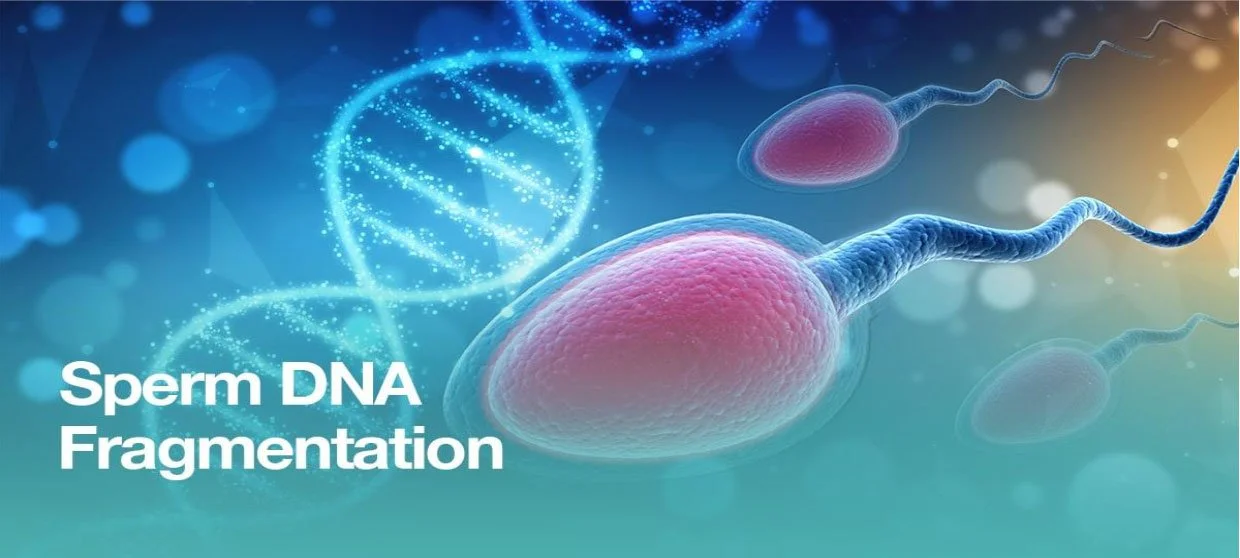
DNA Fragmentation Test of Sperm: How Far it’s Helpful!

Sperm DNA Fragmentation Test
In this blog, we will take a close look at the DNA fragmentation test of sperm and how helpful it is in determining male fertility.

(Sperm DNA fragmentation test refers to the assessment of the level of damage to the genetic material in man’s sperm.)

  • The test is performed to identify the presence of DNA damage in the sperm which can contribute to male fertility problems.
  • The DNA fragmentation test can be done to assess the potential occurrence of male fertility and infertility. The fertilizing capacity of sperm to be able to help couples to understand the problems related to it.
DNA Damage Factors

Can male fertility be improved if DNA fragmentation is detected?

Normal DNA

Conclusion:

It is important to note that high levels of DNA fragmentation have been linked to reduced sperm count & motility. It also decreases successful pregnancies. Consult with a healthcare professional specializing in male fertility to determine the best course of action if DNA fragmentation is high during DFI testing.

How to Prepare Yourself for Blastocyst Transfer

Blastocyst section

With the aid of ART, such as IVF, infertile intended parents can have children. We have come up with the best and easiest solution for you. I ensure after reading this blog, we will solve all your queries related to blastocyst transfer.

What Does Blastocyst Transfer Signify?

Before addressing the direct question, we will briefly define blastocyst transfer. Thanks to recent improvements in the IVF lab procedures and culture material, embryos can now be successfully cultured up to the blastocyst stage. Compared to the embryos at an earlier stage, blastocyst might have a higher chance of implanting into the uterine wall.

Blastocyst Embryo Transfer Recommended for?

Blastocyst culture is being given as an alternative option to couples. Who have trial IVF or IVF-ICSI unsuccessfully despite having several high quality eggs recovered?

Blastocyst Transfer

Couples that are strong candidates for blastocyst culture include those who have several healthy embryos on day 3.

How Does Transferring Blastocyst Benefits you?

  • A developing embryo generally exists in the fallopian tube and enters the uterus at the blastocyst stage (5 days after fertilization).
  • The blastocyst begins to implant itself into the uterus lining once it has reached the uterus a practice called implantation.
  • The benefit of trying to develop embryos to the blastocyst is that
    this stage of development is more compatible with the uterine environment. Doctors or specialists will need to replace fewer embryos.
Risks Involved in Blastocyst Transfer:-

Blastocyst Transfer
The drawbacks are that very few embryos (probably between 30% & 50% of them) will survive or develop to this stage. A 10% chance exists that no embryos will develop to the blastocyst transfer stage leaving no embryos eligible for transfer.

FINAL OUTCOME

Our IVF expert Dr. Sandeep Cheema Sohi will take care of you. If you want to have a word with her, schedule an appointment with the best IVF centre in CHD at 9915004407 or send your enquiry via an email at revivagynae@gmail.com

Recent Posts

Importance of Quality Control in IVF Lab

Importance of Quality Control in IVF Lab

uality Control in IVF Lab

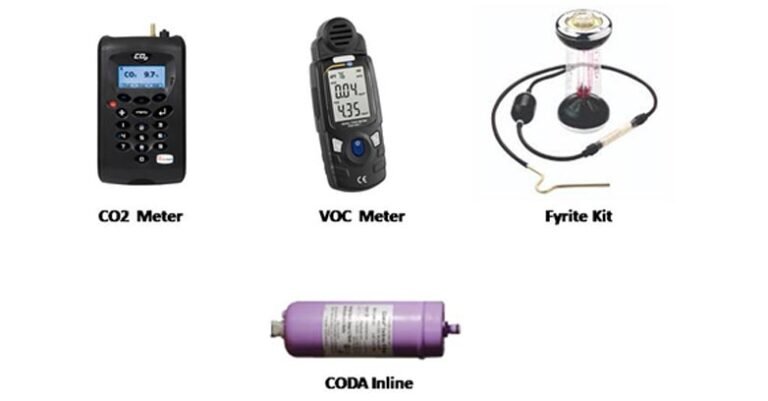
Quality control (QC) is the most important component of the IVF Clinic. QC evaluates the quality of the procedure & its outcome. It is mandatory to monitor laboratory conditions (Air Quality, Temperature, and VOC’s etc), Stimulation protocols, Culture media & technical skill coordination etc to ensure quality control. The IVF lab which follows good laboratory practices they can facilitate the results of IVF by giving the best outcome to their patients.

Need of Quality Control in IVF Lab

  • It ensures the quality of the procedure
  • Increase the success rate
  • Increase the reliability of IVF lab
  • Complete traceability & Documentation
  • Build up IVF team confidence 

IVF Laboratory Equipments

Incubators

The change in temperature & Co2 level can affect the oocytes & embryos quality. So, carbon dioxide & temperature should be recorded on daily basis. If anything altered it should be calibrated as per requirement.

Laminar Air Flow

The laminar flow need to clean on daily basis before & after the completion of task.

Refrigerators

The location of the refrigerator should be outside the core embryology area as it releases harmful gases which are not good for IVF Lab. Also thermometer should be placed inside the refrigerator to see the temp on daily basis.

Microscopes

They should be cleaned everyday to remove unwanted dust particles.

Heated Stages

Temperature is a very crucial parameter as it can cause spindle damages etc. So, gametes handling should be done strictly on heated stages at 37°c to avoid any kind of damage.

Below given table will help to know that how often the test is done to check equipment working.

Quality Control IVF Lab

Culture Media

Culture Media 

Equipment

Incubator

Laminar Air Flow

Refrigerators

Microscope

Heated Stages

Test 

CO2 ,Temp

Environment

Temp

Function

Heated Stages

Duration

Weekly

Weekly

Weekly

Weekly

Weekly

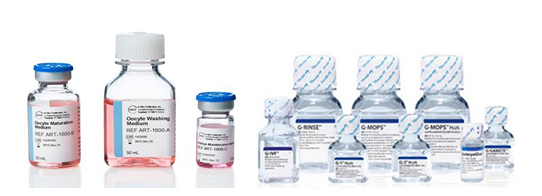
Oocytes & embryo are very sensitive & a little change in their environment like ph, osmolarity etc can cause harmful effects to them. So the cultural conditions should be favorable for them. So it is important to understand the need of culture media

  • While receiving media from any company ensure that the cold chain of media is well maintained. Never accept broken seal of the order.
  • Always see the expiration date of Culture media before use in any case.
  • Always store your media in refrigerator with required temperature conditions.

IVF Laboratory Environment:

The laboratory environment is mostly affected by the following reasons:

  • If clinic is located near to construction sites, on highway, factories then there are a major risk of dust particles & pollutants. So, Hepa Filter is necessary for such laboratory. As it removes 99.99% of small 0.3 microns in size dust particles.
  • Use of cosmetics in IVF should be prohibited. Cosmetics emit VOC’s & can cause negative effect to embryos.
  • Laboratory cleaning is done on daily basis using disinfectants.
  • If any kind of fluid spilage is found then it should be cleaned with 5.25% sodium hypochlorite. 

Protocols to be followed when working IVF Laboratory: 

  • IVF Laboratory should have well trained staff. The embryology work is very sensitive so expertise is required.
  • The laboratory should keep on updating the protocols. Inhouse modifications in methodology should be done for betterment.
  • IVF Lab should remain up to date with the latest technology.
  • Dishes Preparation should be done at room temperature. One culture dish is prepared at a time to maintain the osmolarity.
  • Ethical practice while handling the gametes. Label the dishes before OPU. Avoid mixing of samples by labeling containers.
  • Witnessing should be a compulsory practice in IVF laboratory.
  • Wearing gloves, cap & mask in laboratory is must. Hand washing is essential before entering IVF laboratory.
  • Discard sharp objectives & pipettes after single use.
  • The documentation is very important in IVF lab system. It helps to recall the past events. So proper documentation in IVF is necessity. For eg: Patient Records, QC data, Complaint Data 

QC is the essential component of IVF laboratory. It is our responsibility not a burden. Infact, it helps in troubleshoot. QC ensures the success rate & even the reputation of the clinic. And we at Reviva Fertility Clinic & IVF Centre In Chandigarh follow all the ethical practices & make sure at every step that the outcome should not be affected at any cost. For more information on the IVF Procedur and their Cost in Chandigarh  you can contact us: 9915004407

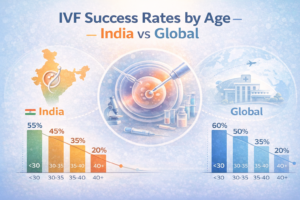
IVF treatments in India boasts lower cost, yet higher success rates

IVF treatments in India boasts lower cost, yet higher success rates

IVF treatments in India

IVF or In vitro fertilization treatments are popular all over the world. However, the attention of IVF treatment seekers has turned to India as their choice of the treatment location. Many people from the western world are visiting India for this purpose.

Cost of IVF Treatment in India

Affordability of the cost of IVF treatment in India coupled with excellent success rates attract many couples from all over the world, and their confidence to choose India as their IVF treatment destination has increased over time. The average cost of the IVF treatment in India is usually between Rs. 250,000 – 450,000 for a basic IVF treatment cycle. However, advanced IVF treatment as if ICSI (Intracytoplasmic sperm injection) or ET (Embryo transfer) costs 120,000 – 150,000 in addition to the IVF basic treatment cycle cost. This is only a fraction of a treatment cost when compared with the IVF treatment costs in the western world.

In addition, the cost of IVF treatment hugely varies between various cities of India. The cost of IVF treatment in Delhi is totally different from treatment cost in Mumbai or in Chennai. Due to this reason, many couples who live in different parts of India travel to other locations to undergo these IVF treatments at an affordable cost.

Here is how the infertility treatment cost in India varies according to the location

CityPrice
Mumbai200,000 – 300,000
Bangalore160,000
Chennai145,000 – 160,000
Delhi90,000 – 125,000
Nagpur75,000 – 90,000
Pune65,000 – 85,000
Hyderabad70,000 – 90,000

The treatment cost in Chandigarh is considerably low when compared with some of the locations above, and at Reviva clinic you could receive world-class medical care for the same cost.

Additional Costs Associated With IVF Treatment

Every couple should keep in mind to analyze the package that comes with the IVF treatment beforehand in order to avoid any hidden charges. For instance, Reviva Infertility and IVF Clinic offer special IVF package that includes all examinations costs as if for ultrasound examination, the cost for all types of blood tests that required during IVF treatment, anesthesia cost, advanced IVF treatment cycle options as if ICSI and ET.

Besides, Reviva clinics package also incorporates laboratory charges and even it includes the cost of day care hospitalization that is required during IVF treatment cycle and guarantee of no hidden fees. All charges are included and elaborated in the treatment packages so that preparing for the treatments financially would not bring any surprises throughout the process.

Conclusion

As India is one of the countries to receive infertility treatments for a lower cost, you should consider visiting Reviva Clinic at Chandigarh to make your dream come true. Along with the lower cost of treatments, the lower costs of accommodation and also travelling will reduce additional costs you will have to bear during the visits. That is why many people consider India today as to be a leading country for medical tourism. If you are planning for IVF treatments and wondering where to seek the best care, then you are in the right place. Reviva clinic is more than happy to hear from you