
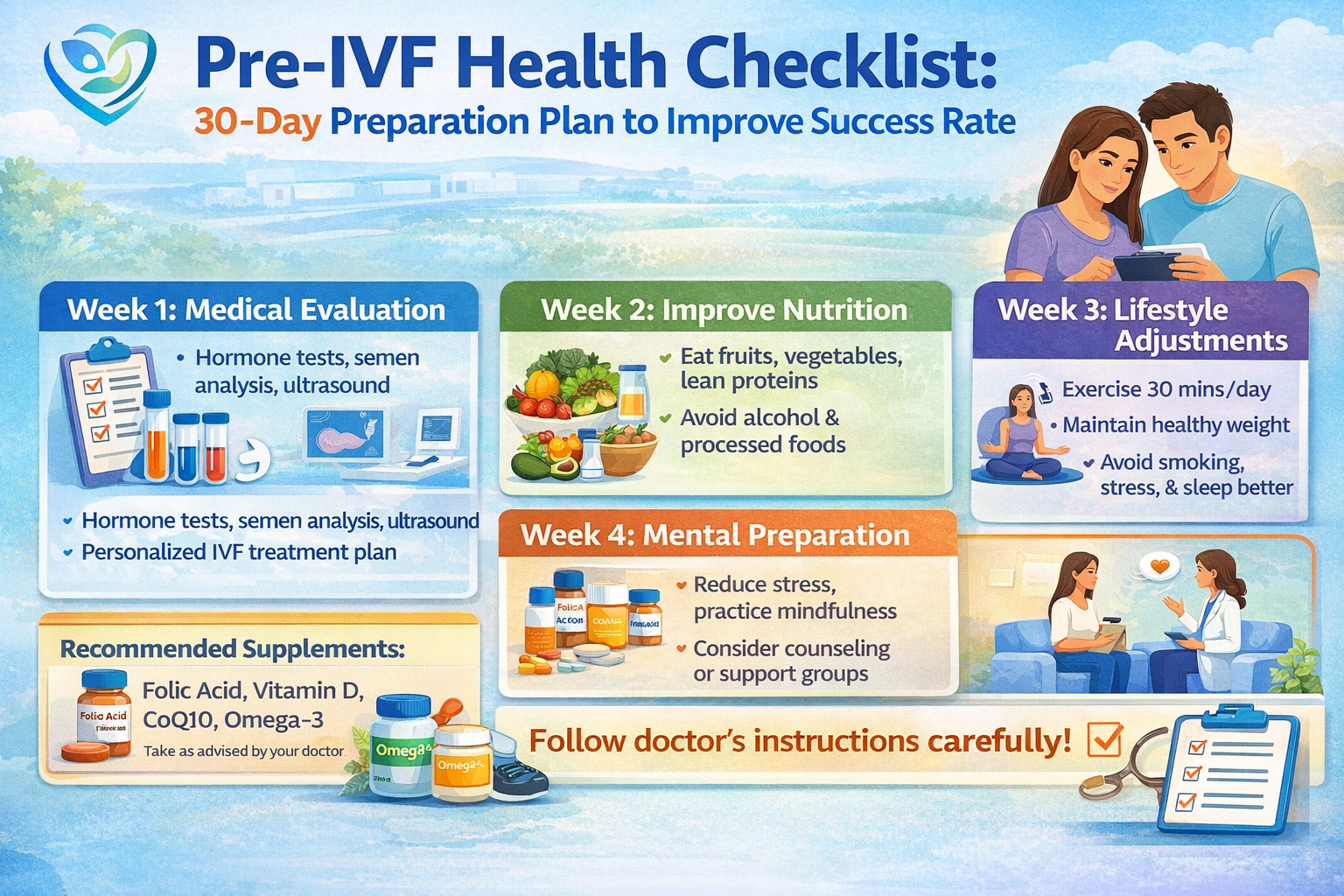
Pre-IVF Health Checklist: 30-Day Preparation Plan to Improve Success Rate

Preparing your body before starting IVF treatment can significantly improve the chances of success. A well-planned 30-day preparation routine helps optimize reproductive health and improves overall treatment outcomes.

Why Pre-IVF Preparation Matters

IVF success depends on several factors, including egg quality, sperm health, hormone balance, and uterine environment. Taking steps to improve health before treatment can enhance these factors and support better embryo development. Leading centres such as Reviva IVF focus on comprehensive preparation to maximise success rates.

Week 1: Medical Evaluation and Planning

The first step is to undergo a thorough fertility assessment. Doctors may recommend:

  • Hormone tests
  • Ultrasound evaluation
  • Semen analysis
  • Medical history review

Based on the results, your fertility specialist will create a personalized IVF treatment plan.

Week 2: Improve Nutrition and Diet

Nutrition plays a vital role in reproductive health.

Include foods such as:

  • Fresh fruits and vegetables
  • Whole grains
  • Healthy fats like nuts and seeds
  • Lean proteins

Avoid excessive caffeine, processed foods, and alcohol.

Week 3: Lifestyle Adjustments

Healthy lifestyle habits can significantly improve fertility outcomes. Experts at Infertility Clinic Chandigarh recommend:

Important changes include:

  • Maintaining a healthy body weight
  • Exercising moderately
  • Getting adequate sleep
  • Reducing stress through meditation or yoga

Smoking and alcohol consumption should be avoided as they can negatively impact fertility.

Week 4: Mental and Emotional Preparation

IVF can be emotionally demanding. Preparing mentally is just as important as physical preparation.

Helpful strategies include:

  • Stress-reduction techniques
  • Counseling sessions
  • Joining fertility support groups
  • Practicing mindfulness

Maintaining a positive outlook and emotional balance can support the treatment journey.

Supplements Often Recommended Before IVF

Doctors may suggest certain supplements to support reproductive health, such as:

  • Folic acid
  • Vitamin D
  • Coenzyme Q10
  • Omega-3 fatty acids

However, supplements should only be taken under medical guidance.

Final Tips Before Starting IVF

A few final recommendations before starting IVF include:

  • Follow all medical instructions carefully
  • Take prescribed medications on time
  • Maintain a balanced routine
  • Communicate openly with your fertility specialist

Preparing your body and mind in advance can make a significant difference in IVF success rates and overall treatment experience.
The Two-Week Wait: Managing Emotions After Embryo Transfer

The two-week wait (2WW) — the time between embryo transfer and your pregnancy test — is often the most emotionally intense phase of the IVF journey.
During this period, hope and anxiety go hand in hand. Patients often wonder: “What should I do? What should I avoid? Are my symptoms a good sign?”

At Reviva IVF Clinic, Chandigarh, we understand that this phase is more than medical — it’s deeply emotional. Our goal is to help you navigate it with calm, confidence, and care.


What Happens During the Two-Week Wait?

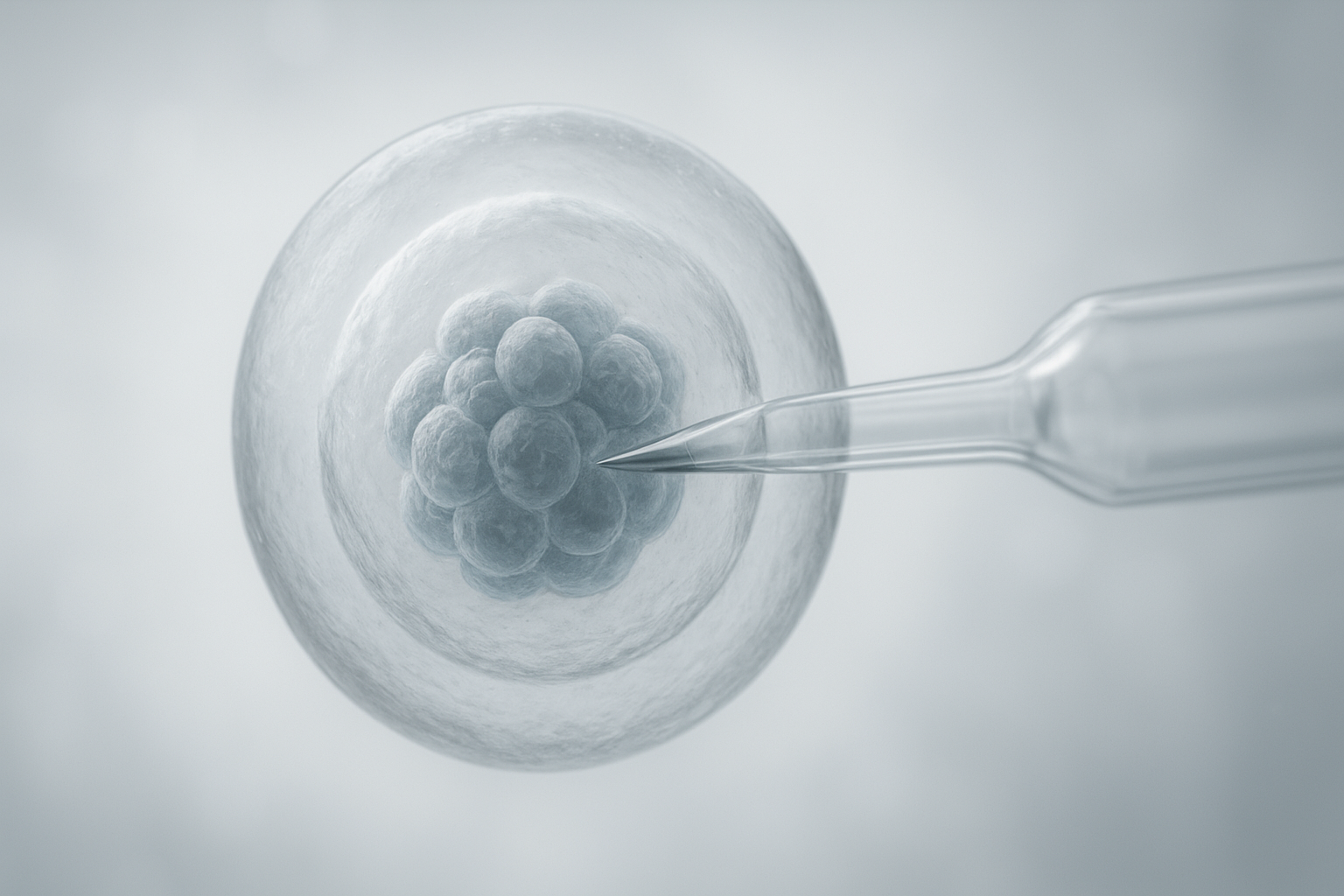
After your embryo transfer, the fertilized embryo begins its journey to attach itself to the uterine lining — a process called implantation.

  • Day 1–3: Embryo continues cell division.
  • Day 4–6: It reaches the blastocyst stage and starts implanting.
  • Day 7–10: Implantation is typically complete, and early pregnancy hormones (hCG) begin to rise.

This is a delicate phase — your body is doing crucial work behind the scenes.


 Physical & Emotional Changes You May Experience

Many patients experience symptoms like:

  • Mild cramps or spotting (implantation bleeding)
  • Breast tenderness or fatigue
  • Mood swings or anxiety due to hormonal changes
  • Slight bloating or nausea

These are normal signs and do not necessarily confirm or rule out pregnancy. Every body responds differently.


 How to Manage Stress and Emotions During 2WW

 Stay Busy (But Gentle)

Light activities — reading, listening to music, or spending time with loved ones — help reduce overthinking.
Avoid physically strenuous exercise, but stay moderately active to promote blood flow.

 Practice Mindful Relaxation

Deep breathing, meditation, or short evening walks help calm your mind and body.
At Reviva IVF, patients are encouraged to practice guided relaxation and positive visualization.

 Eat Balanced & Stay Hydrated

Nourish your body with:

  • Fresh fruits and vegetables
  • Protein-rich foods like paneer, eggs, lentils
  • Plenty of water and herbal teas

Avoid caffeine, alcohol, and processed foods.

 Don’t Test Too Early

It’s tempting to take a home pregnancy test, but testing before 14 days can lead to false negatives or false hope.
Trust your fertility doctor to schedule the right time for a beta-hCG blood test.

 Lean on Emotional Support

Talk openly with your partner or counsellor.
At Reviva IVF, emotional counselling and support groups help couples navigate this waiting period with empathy and understanding.


 Expert Insight

“The two-week wait is a test of patience and hope. Trust your body, your treatment, and your doctor — because miracles take time.”
— Dr. Sandeep Cheema Sohi, Director & Chief Fertility Specialist, REVIVA IVF FERTILITY CLINIC– IVF Centre in Chandigarh & Patiala


 Self-Care Reminders from Reviva IVF

  • Believe in your journey — you’ve come so far.
  • Avoid reading negative IVF stories online.
  • Prioritize sleep and hydration.
  • Keep medications consistent and on schedule.
  • Stay connected with your doctor for reassurance.

Conclusion

The two-week wait can feel long, uncertain, and emotionally charged — but it’s also a time of quiet miracles.
At Reviva IVF Clinic, Chandigarh, we stand beside you through every heartbeat of hope, offering guidance, emotional support, and compassionate care.
Remember — sometimes, patience is the strongest part of the treatment.