
Should You Test Your Embryos Before IVF Transfer? Everything You Need to Know About PGT-A

Starting an IVF journey often brings a mix of emotions—hope, excitement, nervousness, and many important decisions. Among the most common questions couples ask is: “Should we test our embryos before transfer?”

If you have heard about PGT-A and feel confused about whether it is necessary, you are not alone. Many couples wonder whether embryo testing can improve their chances of pregnancy or help reduce the risk of miscarriage.

The truth is simple: PGT-A can be highly beneficial for some couples, but it is not necessary for everyone.

Understanding what PGT-A does, how it works, and who benefits most can help you make a more confident decision with your fertility specialist.

At Reviva IVF, couples receive personalized fertility guidance backed by advanced reproductive technology and evidence-based treatment plans, helping them make informed choices throughout their IVF journey.

What Is PGT-A?

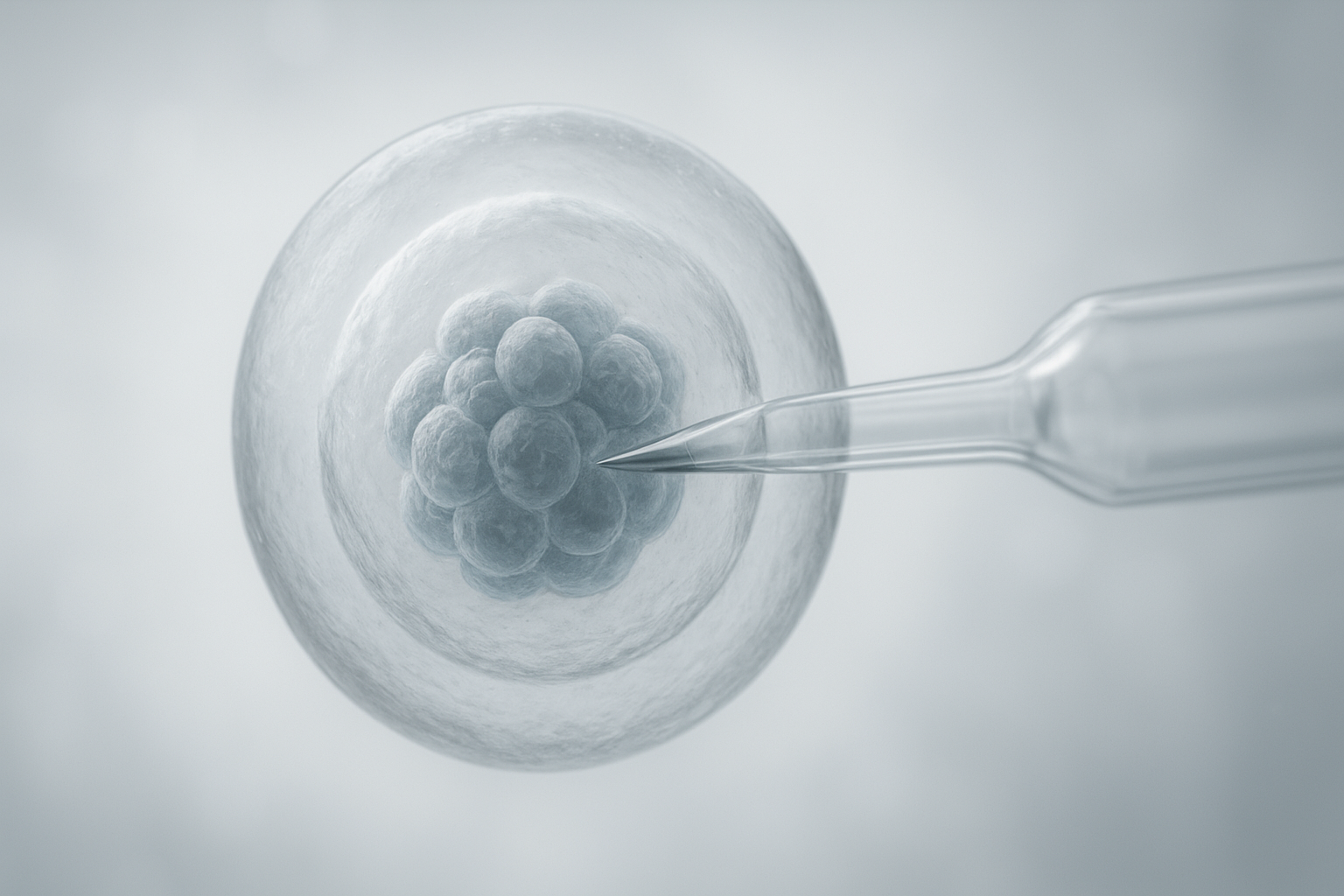
PGT-A (Preimplantation Genetic Testing for Aneuploidy) is a genetic screening test performed during an IVF cycle to check whether an embryo has the correct number of chromosomes before being transferred into the uterus.

A healthy embryo typically contains 46 chromosomes.

When an embryo has too many or too few chromosomes—a condition called aneuploidy—it may lead to:

  • Failure of implantation
  • Early miscarriage
  • Genetic abnormalities
  • Interrupted embryo development

PGT-A helps fertility specialists identify embryos with normal chromosome numbers so they can select the embryo with the highest potential for a successful pregnancy.

It is important to understand one key point: PGT-A does not improve embryo quality it simply helps identify the healthiest embryo available for transfer.

How Does PGT-A Work?

Many couples worry that embryo testing might damage the embryo. Fortunately, modern embryo biopsy techniques are highly advanced and carefully performed by experienced embryologists.

Step 1: Egg Retrieval and Fertilization

Eggs are collected during the IVF cycle and fertilized in a laboratory.

Step 2: Embryo Development

The embryos are allowed to grow for 5 to 6 days until they reach the blastocyst stage.

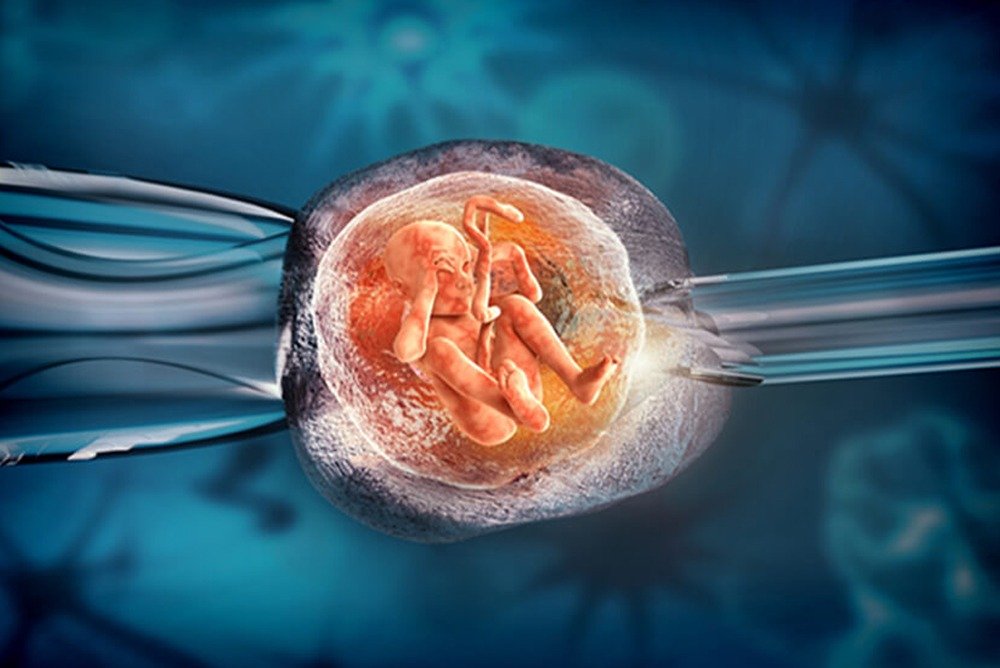
Step 3: Embryo Biopsy

A few cells are carefully removed from the outer layer of the embryo. These cells later form the placenta, not the baby itself.

Step 4: Genetic Testing

The sampled cells are sent to a specialized genetic laboratory for chromosomal screening.

Step 5: Embryo Freezing and Transfer

The embryos are safely frozen while results are processed. Once testing is complete, the healthiest embryo is selected for transfer.

Benefits of PGT-A

For many couples, PGT-A offers reassurance and improves fertility planning.

Better Embryo Selection

Traditionally, embryos are selected mainly based on appearance. PGT-A adds another important layer by evaluating chromosomal health.

Lower Risk of Miscarriage

Many miscarriages occur because of chromosomal abnormalities. Selecting a chromosomally normal embryo may reduce this risk.

Improved Implantation Chances

Healthy embryos are more likely to implant successfully in the uterus.

Fewer Failed IVF Transfers

PGT-A may reduce unsuccessful transfer attempts by identifying embryos less likely to result in pregnancy.

Supports Single Embryo Transfer

Because the selected embryo has already been genetically screened, doctors can often transfer one embryo while maintaining strong success rates. This helps reduce the risk of multiple pregnancies.

Who Should Consider PGT-A?

PGT-A is not required for every IVF patient. Your fertility specialist usually recommends it based on age, medical history, and fertility goals.

You may benefit from PGT-A if you:

  • Are 37 years or older
  • Have experienced repeated IVF failures
  • Have recurrent miscarriages
  • Carry a known chromosomal condition
  • Have severe male-factor infertility
  • Have multiple embryos available for selection

At Reviva IVF Genetic Testing Services, couples undergo detailed fertility assessments before deciding whether PGT-A is the right option.

Is PGT-A Necessary for Everyone?

The short answer is no.

Many couples achieve healthy pregnancies through IVF without embryo testing.

Whether PGT-A makes sense depends on several factors:

  • Age
  • Egg quality
  • Previous pregnancy history
  • Number of embryos available
  • Medical conditions
  • Family history of genetic disorders

This is why fertility care should always be personalized rather than based on a fixed approach.

Are There Any Limitations?

Like any medical procedure, PGT-A has limitations.

It is important to understand that:

  • PGT-A cannot guarantee pregnancy
  • It cannot guarantee a healthy baby
  • Mosaic embryos can make interpretation complex
  • It adds extra cost to IVF
  • It may extend the IVF timeline because embryos are frozen during testing

For some couples, the additional testing provides peace of mind. For others, it may not significantly improve outcomes.

This decision should always be made with expert medical guidance.

Why Personalized Fertility Advice Matters

No two fertility journeys are the same.

A 28-year-old woman beginning her first IVF cycle has very different needs compared with a 40-year-old woman who has experienced multiple failed transfers.

That is why fertility specialists carefully evaluate each case before recommending advanced procedures such as PGT-A.

At Reviva IVF, the focus goes beyond simply achieving pregnancy. The clinic aims to maximize the chances of a healthy pregnancy through personalized treatment plans, modern embryology laboratories, advanced genetic testing, and compassionate patient care.

About Reviva IVF

Reviva IVF is a trusted fertility and reproductive care center dedicated to helping couples overcome infertility challenges through advanced medical treatments and compassionate support. The clinic offers a wide range of fertility services, including IVF, IUI, fertility assessments, genetic screening, ovulation management, and male infertility treatment.

With experienced fertility specialists and advanced laboratory technology, Reviva IVF creates customized fertility solutions tailored to every couple’s needs.

Final Thoughts

Choosing whether to test your embryos before transfer is an important decision, but it does not have to feel overwhelming.

PGT-A can be a powerful tool for selecting embryos with the highest potential for a healthy pregnancy especially for couples facing specific fertility or genetic concerns.

The most important step is having an open conversation with your fertility specialist. With the right guidance, you can make informed decisions that support your journey toward parenthood with greater confidence.
Frozen vs. Fresh Embryo Transfer: Which Is Better for You?

In the world of IVF, one of the most debated topics is whether to opt for a fresh or a frozen embryo transfer (FET). Both approaches have helped thousands of couples conceive, yet the choice depends on multiple clinical and personal factors.

At Reviva IVF Clinic, Chandigarh, our fertility specialists carefully evaluate your case to choose the best method — ensuring the safest and most successful outcome possible.


What’s the Difference Between Fresh and Frozen Embryo Transfer?

Fresh Embryo Transfer

After egg retrieval and fertilization, the embryo is transferred into the uterus within 3 to 5 days — during the same menstrual cycle.

Pros:

  • Shorter treatment timeline
  • No need for embryo freezing and thawing

Cons:

  • Hormonal stimulation during egg retrieval can affect endometrial receptivity
  • May not be ideal if ovarian hyperstimulation (OHSS) occurs

Frozen Embryo Transfer (FET)

In FET, embryos are frozen (vitrified) and stored for future use. The transfer takes place in a later cycle when the uterus is hormonally balanced and prepared naturally or through medication.

Pros:

  • Allows the body to recover after stimulation
  • Higher implantation rates due to better uterine receptivity
  • Reduces risk of OHSS
  • Enables genetic testing (PGT) before transfer

Cons:

  • Slightly longer process due to freezing and thawing
  • Minimal risk of embryo loss during thawing (though rare with advanced technology)

 What Studies Say

Several international studies have shown that frozen embryo transfers often lead to higher success rates compared to fresh transfers — especially in women with PCOS or hormonal imbalance.

At Reviva IVF, our lab uses next-generation vitrification technology, ensuring over 99% embryo survival during thawing.


When Your Doctor Might Recommend a Frozen Transfer

  • If your hormone levels are elevated after stimulation
  • If you have symptoms of ovarian hyperstimulation syndrome (OHSS)
  • If genetic testing (PGT-A/PGT-M) is required
  • If you’re planning a second pregnancy using stored embryos
  • If uterine lining needs time to recover

 The Reviva IVF Advantage

At Reviva IVF Chandigarh, every decision is backed by data, technology, and experience:

  • Individualized treatment planning for fresh or frozen cycles
  • Ultra-modern lab with advanced vitrification techniques
  • Endometrial receptivity assessments (ERA) for optimal timing
  • Comprehensive counselling to help patients understand every step

Our focus is not just on conception — but on creating the best environment for healthy embryo implantation and full-term pregnancy.


 Expert Insight

“Choosing between fresh and frozen embryos isn’t about better or worse — it’s about what’s right for your body and your fertility journey.”
— Dr. Sandeep Cheema Sohi, Director & Chief Fertility Specialist, Reviva IVF Clinic, Chandigarh


Conclusion

Both fresh and frozen embryo transfers have proven successful in IVF, but the decision depends on your medical profile, hormone levels, and emotional readiness.
At Reviva IVF Clinic, Chandigarh, our experts guide you toward the most suitable option — ensuring science, timing, and care align perfectly for your success.

The Two-Week Wait: Managing Emotions After Embryo Transfer

The two-week wait (2WW) — the time between embryo transfer and your pregnancy test — is often the most emotionally intense phase of the IVF journey.
During this period, hope and anxiety go hand in hand. Patients often wonder: “What should I do? What should I avoid? Are my symptoms a good sign?”

At Reviva IVF Clinic, Chandigarh, we understand that this phase is more than medical — it’s deeply emotional. Our goal is to help you navigate it with calm, confidence, and care.


What Happens During the Two-Week Wait?

After your embryo transfer, the fertilized embryo begins its journey to attach itself to the uterine lining — a process called implantation.

  • Day 1–3: Embryo continues cell division.
  • Day 4–6: It reaches the blastocyst stage and starts implanting.
  • Day 7–10: Implantation is typically complete, and early pregnancy hormones (hCG) begin to rise.

This is a delicate phase — your body is doing crucial work behind the scenes.


 Physical & Emotional Changes You May Experience

Many patients experience symptoms like:

  • Mild cramps or spotting (implantation bleeding)
  • Breast tenderness or fatigue
  • Mood swings or anxiety due to hormonal changes
  • Slight bloating or nausea

These are normal signs and do not necessarily confirm or rule out pregnancy. Every body responds differently.


 How to Manage Stress and Emotions During 2WW

 Stay Busy (But Gentle)

Light activities — reading, listening to music, or spending time with loved ones — help reduce overthinking.
Avoid physically strenuous exercise, but stay moderately active to promote blood flow.

 Practice Mindful Relaxation

Deep breathing, meditation, or short evening walks help calm your mind and body.
At Reviva IVF, patients are encouraged to practice guided relaxation and positive visualization.

 Eat Balanced & Stay Hydrated

Nourish your body with:

  • Fresh fruits and vegetables
  • Protein-rich foods like paneer, eggs, lentils
  • Plenty of water and herbal teas

Avoid caffeine, alcohol, and processed foods.

 Don’t Test Too Early

It’s tempting to take a home pregnancy test, but testing before 14 days can lead to false negatives or false hope.
Trust your fertility doctor to schedule the right time for a beta-hCG blood test.

 Lean on Emotional Support

Talk openly with your partner or counsellor.
At Reviva IVF, emotional counselling and support groups help couples navigate this waiting period with empathy and understanding.


 Expert Insight

“The two-week wait is a test of patience and hope. Trust your body, your treatment, and your doctor — because miracles take time.”
— Dr. Sandeep Cheema Sohi, Director & Chief Fertility Specialist, REVIVA IVF FERTILITY CLINIC– IVF Centre in Chandigarh & Patiala


 Self-Care Reminders from Reviva IVF

  • Believe in your journey — you’ve come so far.
  • Avoid reading negative IVF stories online.
  • Prioritize sleep and hydration.
  • Keep medications consistent and on schedule.
  • Stay connected with your doctor for reassurance.

Conclusion

The two-week wait can feel long, uncertain, and emotionally charged — but it’s also a time of quiet miracles.
At Reviva IVF Clinic, Chandigarh, we stand beside you through every heartbeat of hope, offering guidance, emotional support, and compassionate care.
Remember — sometimes, patience is the strongest part of the treatment.

From Embryo Transfer to Implantation: What Really Happens in IVF

When couples choose IVF (In-Vitro Fertilization), one of the most eagerly awaited milestones is embryo transfer. But the journey doesn’t end there—the real challenge begins with embryo implantation. This critical process determines whether a pregnancy will take hold.

At Reviva IVF, under the expert guidance of Dr. Sandeep Cheema Sohi, we focus on making sure every stage—right from embryo transfer to implantation—is optimized for success.

What is Embryo Implantation?

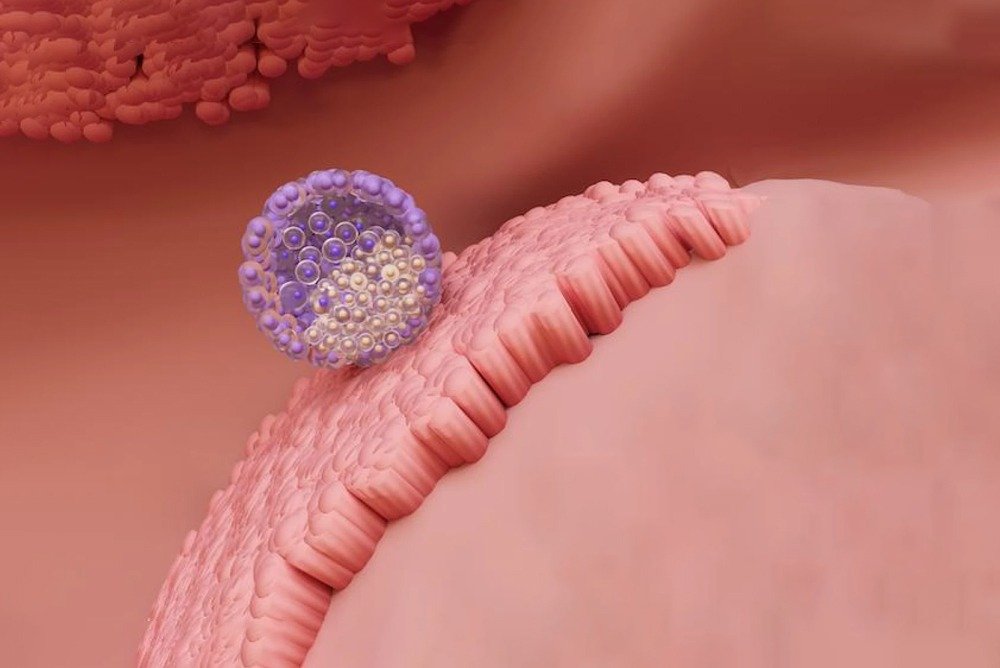
Embryo implantation is the process where a fertilized embryo attaches itself to the uterine lining (endometrium) and begins to embed. This marks the start of pregnancy, as the embryo connects with the mother’s blood supply and signals the body by producing hCG (human chorionic gonadotropin)—the hormone detected in pregnancy tests.

Without proper implantation, even the healthiest embryos cannot result in pregnancy.

Timeline: From Transfer to Implantation

Here’s what typically happens after an embryo transfer in an IVF cycle:

DayStageWhat Happens?
Day 0Embryo TransferA carefully selected embryo (day 3 cleavage stage or day 5 blastocyst) is placed in the uterus.
Day 1–2Pre-ImplantationThe embryo continues to grow and may start the process of “hatching” from its shell (zona pellucida).
Day 3–4Early AttachmentThe embryo makes its first contact with the endometrial lining.
Day 5–7Full ImplantationThe embryo embeds deeper into the uterine lining, establishing maternal blood supply and releasing hCG.

This process is delicate and influenced by both embryo quality and uterine receptivity.

Factors That Influence Successful Implantation

Why Implantation Sometimes Fails

Even in the best IVF labs, implantation doesn’t always occur. Common causes include:

  • Thin or scarred uterine lining
  • Hormonal imbalances
  • Genetic abnormalities in embryos
  • Uterine abnormalities like fibroids or polyps
  • Unexplained immunological factors

In such cases, Repeated Implantation Failure (RIF) may be diagnosed, requiring specialized investigation and treatment.

Reviva IVF’s Approach to Implantation Success

Dr. Sandeep Cheema Sohi and her team at Reviva IVF employ advanced protocols to maximize implantation chances:

  • Personalized endometrial preparation with hormone monitoring
  • Advanced embryo selection and grading to choose the healthiest embryos
  • Assisted hatching in cases where embryos may struggle to implant
  • Minimally invasive embryo transfer techniques to avoid uterine trauma
  • Close monitoring post-transfer to provide supportive therapy

Her empathetic counseling ensures that patients are fully informed and emotionally supported through this sensitive stage.

Final Thoughts

The journey from embryo transfer to implantation is both a science and a miracle. While IVF technology provides precision, nature still plays its role in deciding the outcome.

At Reviva IVF, our commitment is to combine cutting-edge science with compassionate care, ensuring that patients receive the best possible support for their parenthood dreams.

Embryo Implantation – Reviva IVF

Embryo implantation is one of the most critical and delicate phases in the IVF (In Vitro Fertilization) journey. Even when fertilization succeeds and a healthy embryo is formed, the process fails if the embryo cannot properly attach to the lining of the uterus (endometrium).

At Reviva IVF, under the expert care of Dr. Sandeep Cheema Sohi, we focus not just on creating viable embryos but also on optimizing every condition for embryo implantation success. With her track record in challenging infertility cases, Dr. Sohi ensures that patients receive meticulous, individualized support through this pivotal step.

In this post, we will explain:

  • What embryo implantation is
  • The stages and timeline
  • Factors influencing successful implantation
  • Challenges & recurrent implantation failure (RIF)
  • How Reviva IVF approaches this step to maximize success

What is Embryo Implantation?

Embryo implantation refers to the process by which a fertilized embryo (usually at the blastocyst stage) attaches itself into the uterine lining (endometrium) and becomes embedded, establishing the beginnings of maternal-fetal connection. The success of implantation determines whether pregnancy can proceed.

Typically, implantation occurs about 6 to 10 days after egg retrieval/fertilization.


Stages & Timeline of Implantation

Here’s a more granular view of the steps involved in embryo implantation:

Timeframe / DayKey Events & Description
Day 0 to Day 1After fertilization, the embryo goes through pronuclear stage (presence of male and female pronuclei). 
Day 2–3 (Cleavage Stage)The embryo divides (2 → 4 → 6–8 cells) without significant increase in total size. 
Day 4 (Morula / Compaction)Cells compact and form a morula—tightly packed group of cells. 
Day 5 (Blastocyst Formation)Fluid-filled cavity forms, inner cell mass and trophectoderm differentiate. This is often the stage at which embryo transfer is done. 
Hatching / Zona EscapeThe embryo “hatches” (breaks out) from its protective shell (zona pellucida) to allow contact with endometrial tissue. 
Attachment to EndometriumTrophectoderm cells adhere to the uterine lining, then invade into the endometrial tissue. 
Invasion & EmbeddingThe embryo secretes enzymes to degrade adjacent endometrial tissue, permits deeper penetration, and begins establishing blood vessel connections. 
Secretion of hCG & Early Pregnancy SignalsAs embedding progresses, the embryo begins to produce hCG (human chorionic gonadotropin), which signals pregnancy and supports endometrial function.

In many IVF cycles, the embryo is transferred on day 3 or day 5 (often as a blastocyst).


Critical Factors Influencing Successful Implantation

Implantation is a “high-stakes handshake” between the embryo and the uterine environment. Multiple conditions must align:

  1. Endometrial Receptivity
    The uterine lining must be thick, well-vascularized, and hormonally primed (via estrogen & progesterone) to support embryo adhesion and invasion.
  2. Synchronization
    The developmental stage of the embryo and the ‘window of implantation’ of the endometrium must match precisely.
  3. Embryo Quality & Viability
    Embryos with the correct chromosomal makeup and good morphology are more likely to implant successfully.
  4. Trophectoderm Function
    The cells destined to form the placenta (trophectoderm) must effectively interact with endometrial cells, secrete necessary enzymes, and modulate immune tolerance.
  5. Immune & Molecular Signaling
    The maternal immune system must be tolerant (not rejecting the embryo as “foreign”), and molecular signals (cytokines, growth factors, adhesion molecules) must be favorable.
  6. Uterine Health & Vascularization
    Adequate blood flow, absence of scar tissue, fibroids, or anatomical defects matter.
  7. Minimal Mechanical Disturbance
    Physical factors like uterine contractions, poor catheter technique, or trauma can hamper implantation.

Challenges: Repeated Implantation Failure (RIF)

When multiple IVF cycles result in failure to implant despite apparently good embryos and embryos being transferred, it’s termed Repeated Implantation Failure (RIF). Wikipedia

Definition is debated, but a commonly accepted threshold is failure after three good-quality embryo transfers in a woman under 40. Wikipedia

Causes behind RIF may include:

  • Undiagnosed uterine abnormalities (polyps, adhesions)
  • Poor endometrial receptivity or hormonal mismatch
  • Immunologic or thrombophilic disorders
  • Subtle embryo defects (e.g. mosaicism)
  • Poor embryo–uterine synchrony
  • Poor embryo selection techniques

In such cases, deeper investigation and customized protocols are required.


How Reviva IVF Optimizes Embryo Implantation

Under Dr. Sandeep Cheema Sohi’s leadership, Reviva IVF employs a multi-pronged strategy to support implantation:

  • Personalized Endometrial Preparation
    Adjusting hormonal regimens to optimize endometrial thickness, vascularity, and receptivity.
  • Accurate Embryo Selection & Grading
    Using advanced lab techniques and possibly time-lapse or AI-supported assessment to pick embryos with highest implantation potential.
  • Assisted Hatching (if needed)
    For embryos with “hard” zona or for patients with previous failed cycles, partial thinning or opening of the zona can help implantation. Mayo Clinic
  • Monitoring Uterine Integrity
    Pre-transfer evaluation of uterine cavity via imaging (ultrasound, hysteroscopy) to rule out lesions or adhesions.
  • Immune & Molecular Support
    For patients with suspected immunologic factors, targeted therapies or adjuncts may be considered (after thorough evaluation).
  • Minimally Traumatic Transfer Technique
    Use of soft catheters, ultrasound guidance, and gentle handling to minimize uterine irritation or contractions.
  • Supportive Luteal Phase Therapy
    Ensuring adequate progesterone support so the endometrium remains optimal during early implantation.
  • Rigorous Follow-up & Monitoring
    Early detection of issues, patient counseling, and adjustments where needed.

Final Thoughts

Embryo implantation is where the success of an IVF cycle truly hinges. Even with excellent embryos, if the uterine environment is not receptive, implantation fails.

At Reviva IVF, our commitment is to tend to both sides of this alliance — the embryo and the uterus — under the careful guidance of Dr. Sandeep Cheema Sohi. Her track record in overcoming complex infertility scenarios is built not just on lab skills, but on her holistic, empathetic patient care.

If you’d like a side-by-side infographic of the implantation timeline, or a version tailored for patients (less scientific) vs. for professionals (detailed), I’d be happy to draft that too. Would you like me to also prepare a shorter “patient-friendly” version that you can publish to your blog or hand out in clinic?