


Introduction
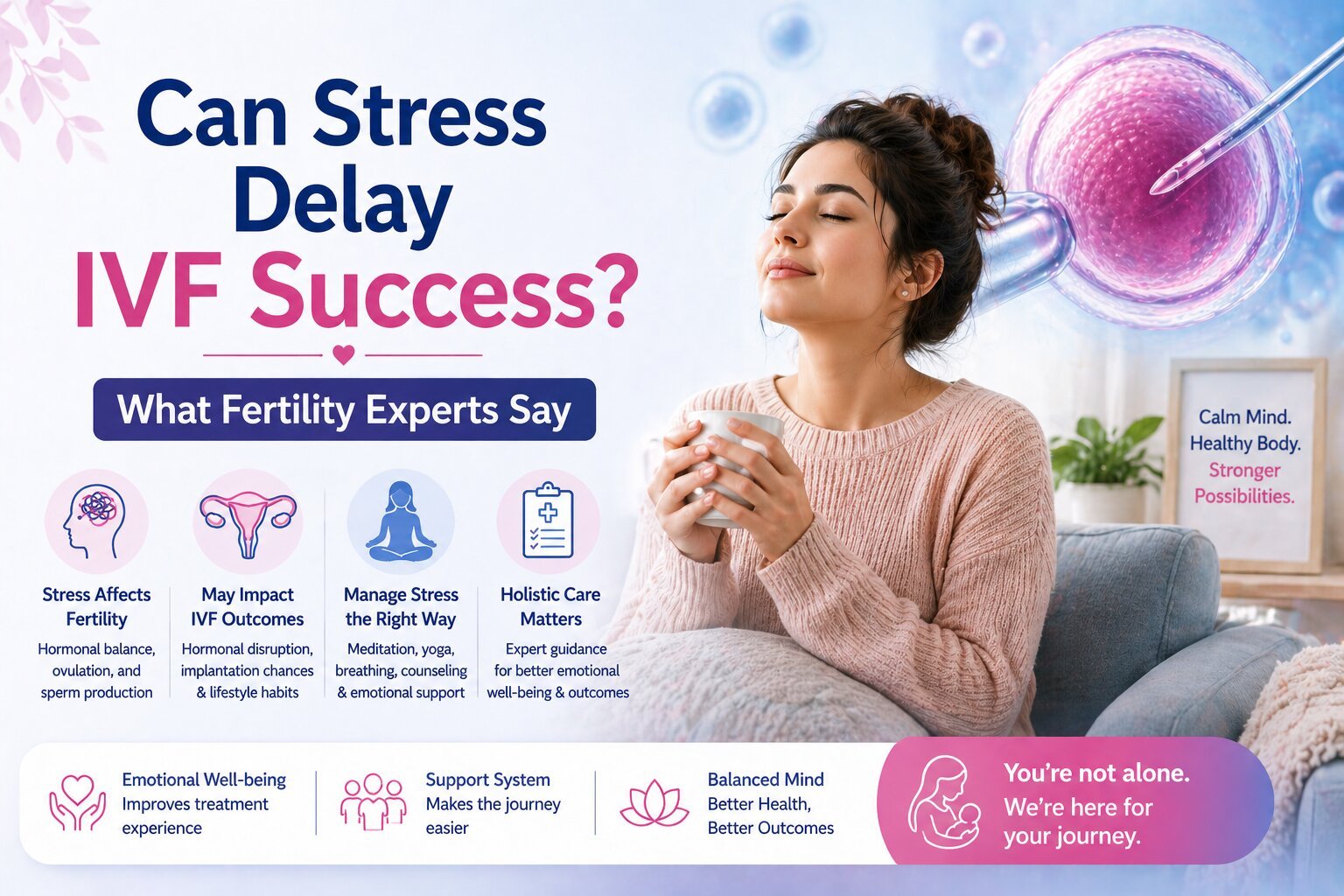
Stress is often overlooked in fertility treatment, yet it plays a significant role in reproductive health. Many patients undergoing IVF experience emotional pressure that can impact outcomes.
Understanding Stress and Fertility
Stress affects:
- Hormonal balance
- Ovulation cycles
- Sperm production
Chronic stress may disrupt the body’s natural reproductive processes.
How Stress Impacts IVF Outcomes
Hormonal Disruption
Stress hormones like cortisol can interfere with reproductive hormones.
Reduced Implantation Chances
High stress levels may affect uterine receptivity.
Lifestyle Impact
Stress often leads to:
- Poor sleep
- Unhealthy eating
- Reduced physical activity
What Fertility Experts Recommend
Mind-Body Balance
- Meditation
- Yoga
- Breathing exercises
Emotional Support
- Counseling
- Support groups
- Open communication with partner
Medical Guidance
Doctors at Reviva IVF emphasise holistic care alongside medical treatment.
Practical Tips to Reduce Stress During IVF
- Limit over-researching online
- Follow a structured routine
- Stay connected with positive support systems
- Focus on controllable factors
Does Stress Directly Cause IVF Failure?
There is no definitive evidence that stress alone causes IVF failure, but it can indirectly influence outcomes by affecting overall health.
Importance of a Supportive Environment
A calm and supportive environment improves:
- Emotional well-being
- Treatment adherence
- Overall experience
Conclusion
Managing stress is a crucial part of fertility treatment. While IVF is medically driven, emotional health significantly contributes to the journey and outcomes.


