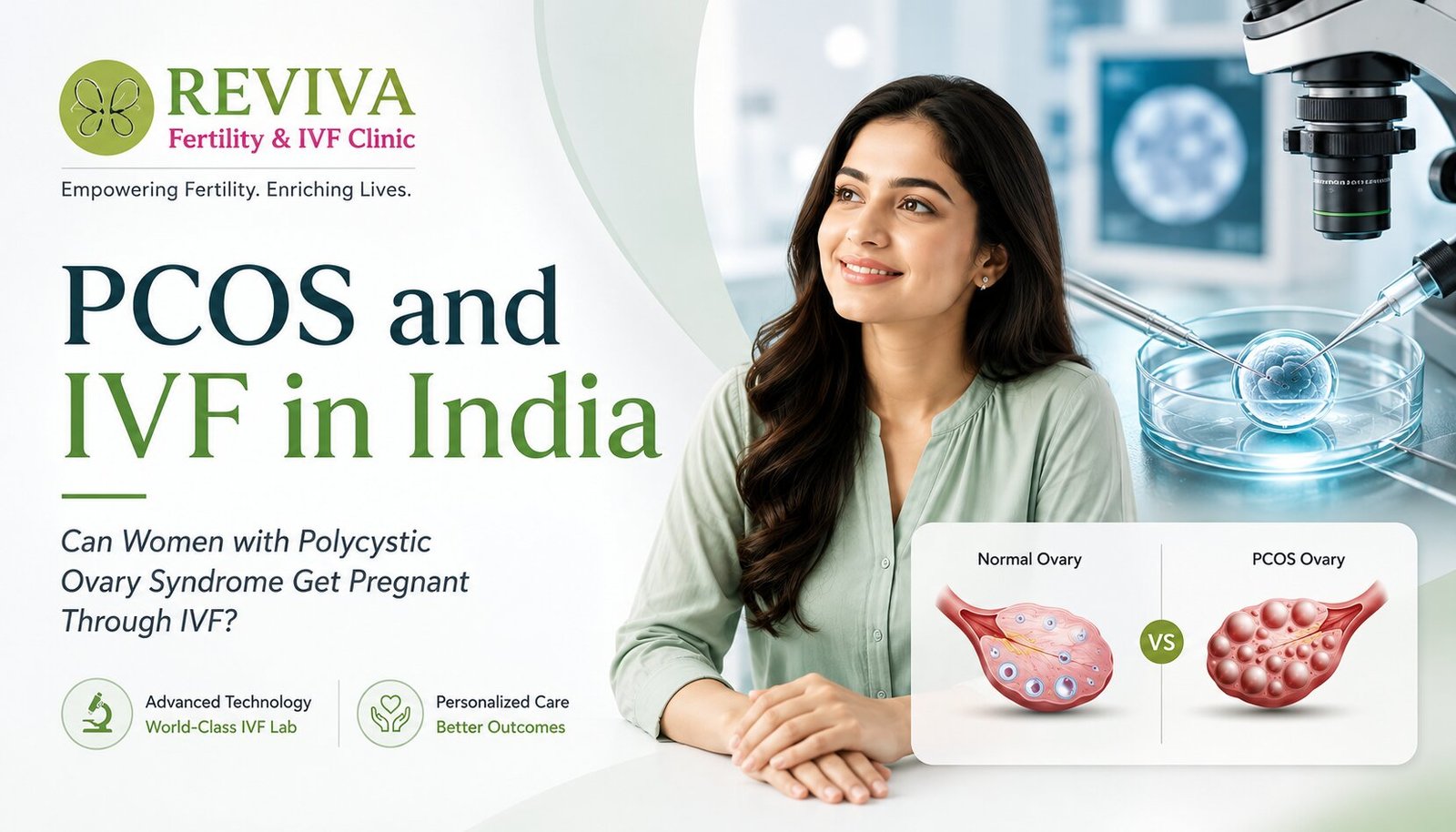
Polycystic Ovary Syndrome (PCOS) is one of the most common causes of infertility we see in clinical practice across India. The first thing I tell my patients is this: PCOS does not mean you cannot become a mother. It simply means we need a more tailored approach.
What Happens in PCOS?
In PCOS, the ovaries contain multiple small follicles but often fail to release a mature egg regularly. This is due to:
Hormonal imbalance (elevated androgens)
Insulin resistance
Irregular ovulation (anovulation)
As a result, natural conception becomes unpredictable.
How IVF Helps Women with PCOS
IVF (In Vitro Fertilization) bypasses many of the challenges PCOS creates.
During IVF:
We stimulate the ovaries in a controlled manner
Retrieve multiple eggs
Fertilize them in the lab
Transfer a healthy embryo into the uterus
Interestingly, women with PCOS often have a higher ovarian reserve, which can actually be an advantage in IVF—if managed carefully.
Important Medical Considerations
1. Risk of OHSS (Ovarian Hyperstimulation Syndrome)
PCOS patients are more prone to OHSS during IVF treatment. To reduce this risk, fertility specialists at Reviva IVF often:
Use low-dose stimulation protocols
Prefer antagonist cycles
Often freeze all embryos (freeze-all strategy)
2. Egg Quality vs Quantity
While the number of eggs is high, egg quality can sometimes be compromised. This is where:
Lifestyle changes
Insulin regulation
Supplements like myo-inositol can improve outcomes.
3. Endometrial Preparation
We ensure the uterine lining is optimal before embryo transfer, sometimes delaying transfer for better success.
Success Rates
With proper protocol:
IVF success in PCOS patients can be comparable or even better than non-PCOS patients in younger age groups.
What You Can Do
As a patient, your role is crucial:
Maintain a healthy weight
Follow a low glycaemic diet
Manage stress
Stay consistent with medication
Clinical Insight: In my experience, the biggest difference comes from protocol customization, not just the technology.
Stress is often overlooked in fertility treatment, yet it plays a significant role in reproductive health. Many patients undergoing IVF experience emotional pressure that can impact outcomes.
Understanding Stress and Fertility
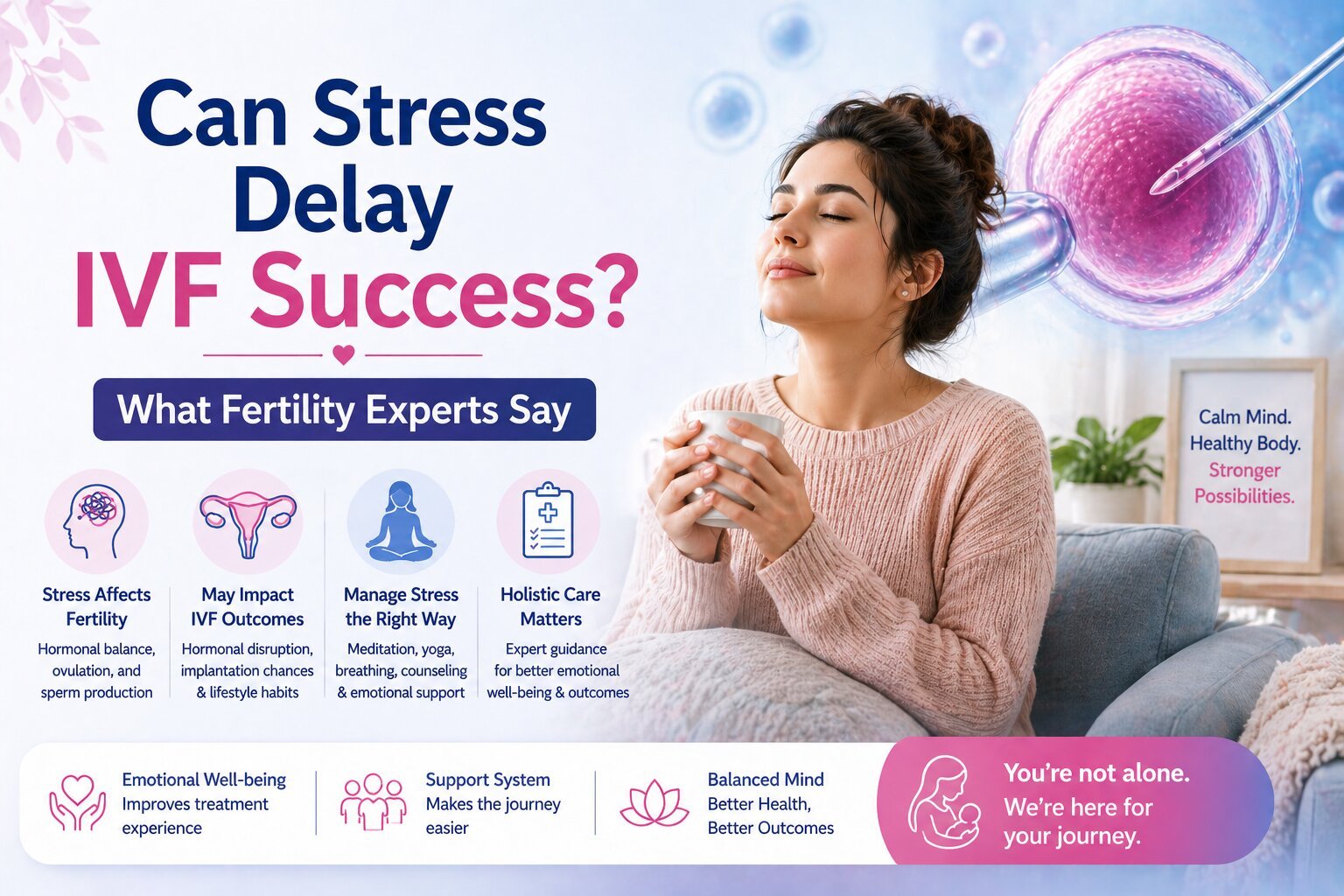
Stress affects:
Hormonal balance
Ovulation cycles
Sperm production
Chronic stress may disrupt the body’s natural reproductive processes.
How Stress Impacts IVF Outcomes
Hormonal Disruption
Stress hormones like cortisol can interfere with reproductive hormones.
Reduced Implantation Chances
High stress levels may affect uterine receptivity.
Lifestyle Impact
Stress often leads to:
Poor sleep
Unhealthy eating
Reduced physical activity
What Fertility Experts Recommend
Mind-Body Balance
Meditation
Yoga
Breathing exercises
Emotional Support
Counseling
Support groups
Open communication with partner
Medical Guidance
Doctors at Reviva IVF emphasise holistic care alongside medical treatment.
Practical Tips to Reduce Stress During IVF
Limit over-researching online
Follow a structured routine
Stay connected with positive support systems
Focus on controllable factors
Does Stress Directly Cause IVF Failure?
There is no definitive evidence that stress alone causes IVF failure, but it can indirectly influence outcomes by affecting overall health.
Importance of a Supportive Environment
A calm and supportive environment improves:
Emotional well-being
Treatment adherence
Overall experience
Conclusion
Managing stress is a crucial part of fertility treatment. While IVF is medically driven, emotional health significantly contributes to the journey and outcomes.
For many NRI couples, fertility treatment abroad is expensive and emotionally exhausting. India, especially Chandigarh, has become a preferred destination due to affordability and high-quality care.
Many couples spend years trying to conceive without success, often without understanding the root cause. Infertility is not always obvious, and delayed diagnosis can impact treatment outcomes. Seeking help from a trusted Infertility Clinic Chandigarh, like Reviva IVF, can make a significant difference in identifying and addressing underlying issues early.
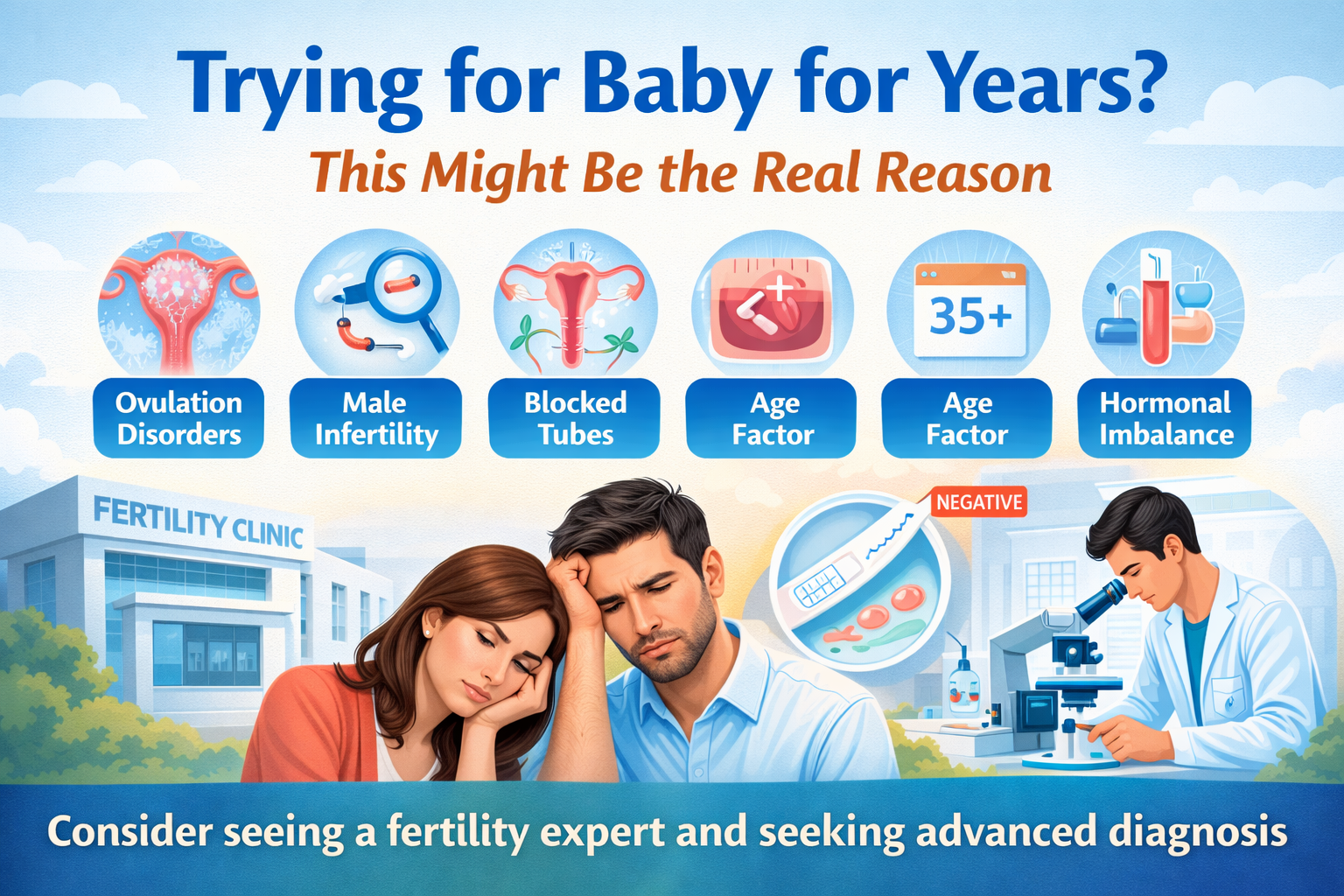
Common Reasons Behind Delayed Conception
Ovulation Disorders
Conditions like Polycystic Ovary Syndrome can disrupt regular ovulation, making conception difficult.
Male Factor Infertility
Low sperm count, poor motility, or abnormal morphology contribute significantly to infertility cases.
Blocked Fallopian Tubes
Tubal blockages prevent sperm from reaching the egg, making natural conception nearly impossible.
Age-Related Fertility Decline
Fertility declines significantly after 35, affecting both egg quality and quantity, which may require advanced treatments available at the Best IVF Center in Chandigarh.
Hormonal Imbalance
Thyroid disorders and prolactin imbalances can interfere with ovulation and implantation.
History of irregular cycles or miscarriages Consulting experts at Reviva IVF ensures early diagnosis and access to Affordable IVF Packagestailored to your needs.
If you’ve been trying for years, the issue may be more complex than timing. Early diagnosis and expert guidance from Reviva IVF can transform your chances of parenthood.
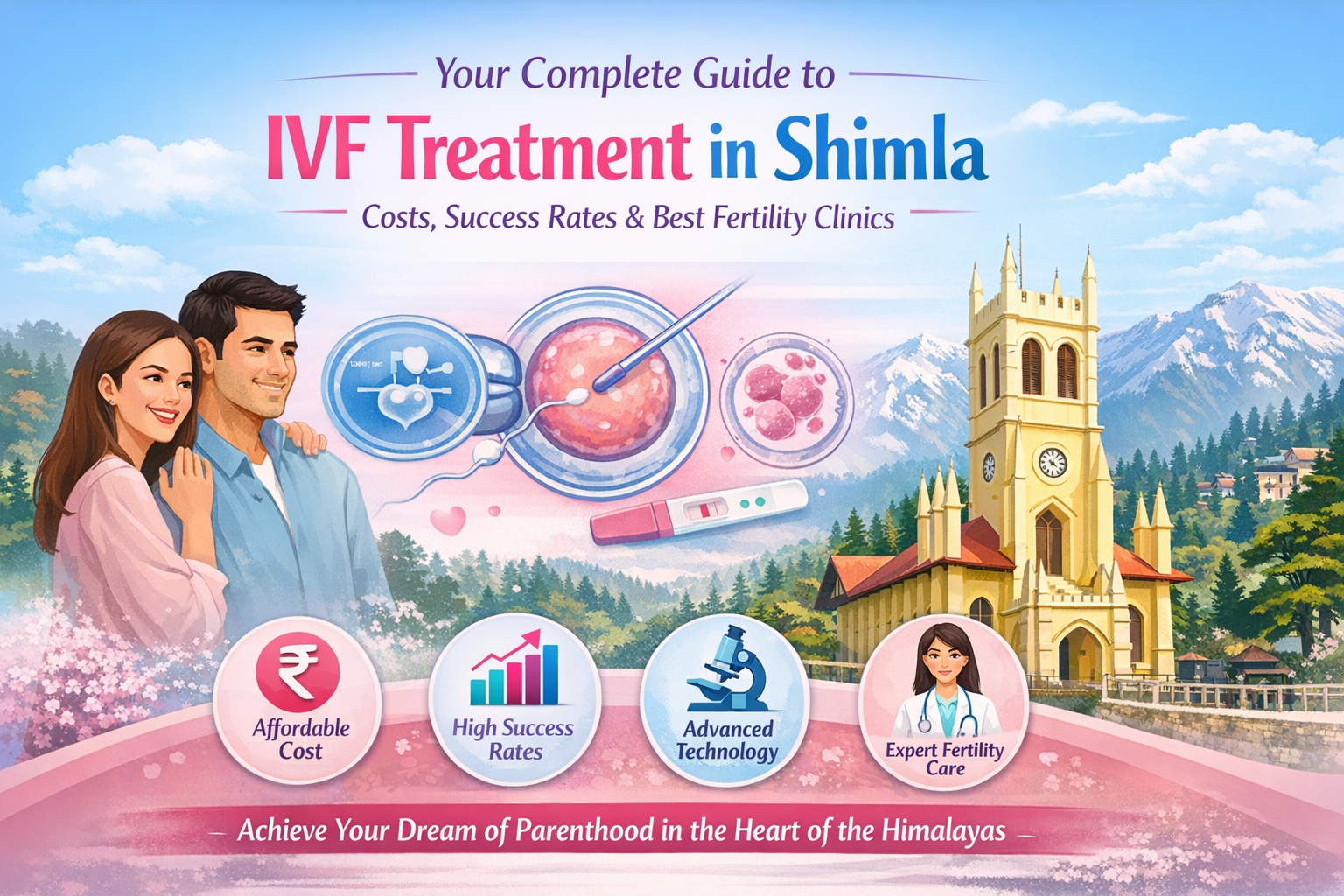
Infertility can be a challenging journey, but modern reproductive technologies like In Vitro Fertilization (IVF) have helped millions of couples achieve their dream of parenthood. If you are considering IVF Shimla, understanding the process, costs, and success rates can help you make informed decisions. Clinics like Reviva IVF are known for offering Affordable IVF in Shimla with advanced treatment options.
What is IVF Treatment?
IVF Treatment is an assisted reproductive technology in which eggs are fertilized with sperm in a laboratory to create embryos. These embryos are then transferred to the uterus to achieve pregnancy.
IVF is often recommended for couples facing issues such as:
Medications are used to stimulate the ovaries to produce multiple eggs.
2. Egg Retrieval
Mature eggs are collected from the ovaries through a minor procedure.
3. Fertilization
Eggs are combined with sperm in a laboratory to create embryos.
4. Embryo Transfer
Healthy embryos are transferred into the uterus to achieve pregnancy.
5. Pregnancy Test
Clinics offering Affordable IVF in Shimla ensure that each step is performed with precision and care.
IVF Cost in Shimla
The cost of IVF treatment can vary depending on several factors, including:
Number of IVF cycles required
Medications and hormonal injections
Advanced procedures such as ICSI or genetic testing
Diagnostic tests
Typically, IVF treatment costs in India can range from ₹1,20,000 to ₹2,50,000 per cycle, though the final cost depends on individual treatment needs.
IVF Success Rates
Success rates vary depending on factors such as:
Age of the woman
Egg quality
Sperm health
Underlying fertility issues
Experience of the fertility clinic
Generally, IVF success rates are higher for women under 35 and gradually decrease with age.
Choosing the Right Fertility Clinic
Selecting the right fertility clinic is one of the most important decisions in your fertility journey.
Consider the following factors:
Experience of fertility specialists
Availability of advanced reproductive technology
Transparent treatment protocols
Patient counseling and support services
Clinic success rates
Couples seeking fertility treatment often prefer specialized centers such as Reviva IVF, where experienced specialists and modern reproductive technology work together to provide personalized fertility care.
Final Thoughts
IVF has transformed the lives of many couples struggling with infertility. With proper medical guidance, the right clinic, and a personalized treatment plan, many couples successfully achieve pregnancy.
If you are considering IVF treatment in Shimla, consulting experienced fertility specialists can help you understand your options and take the next step toward parenthood.
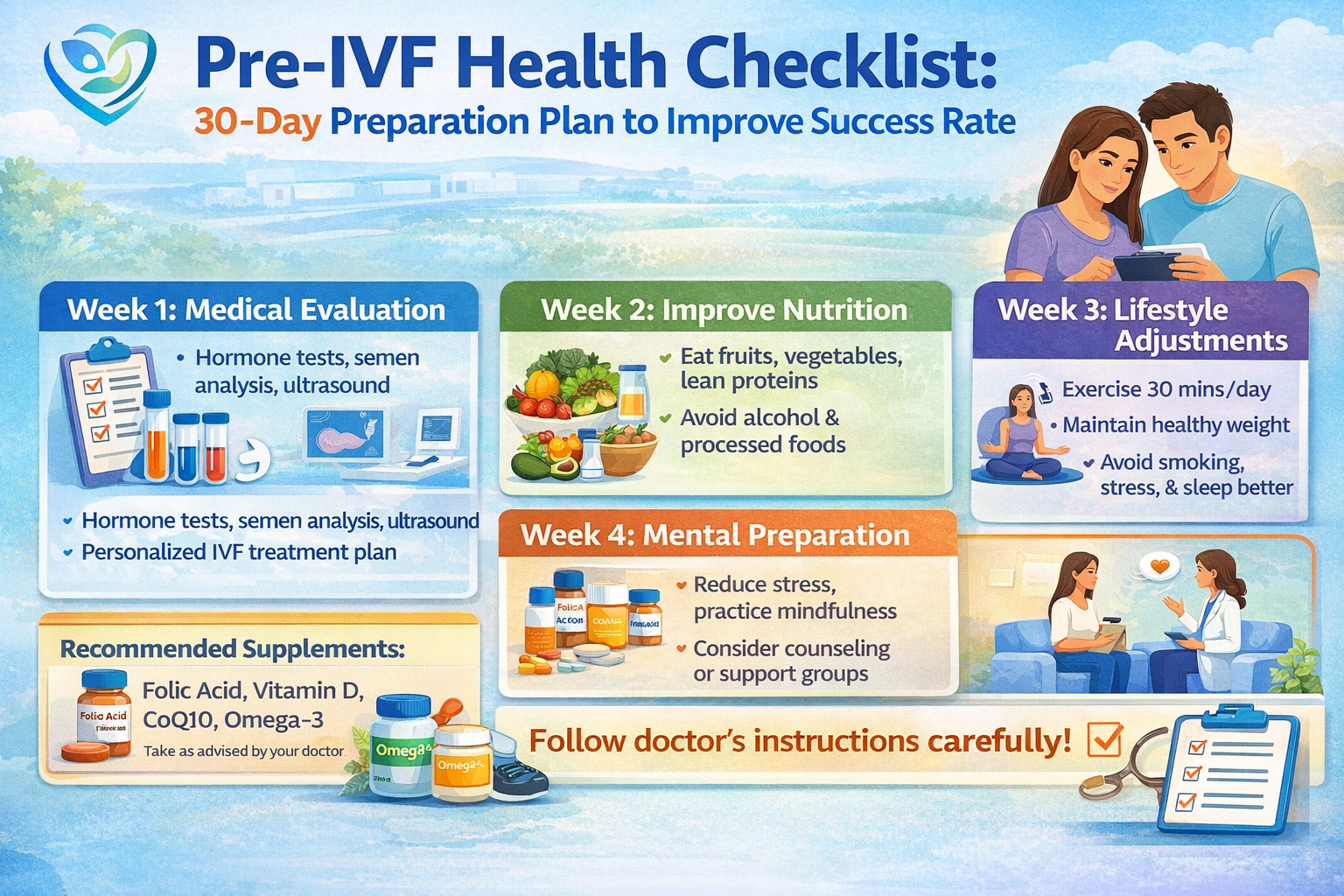
Preparing your body before starting IVF treatment can significantly improve the chances of success. A well-planned 30-day preparation routine helps optimize reproductive health and improves overall treatment outcomes.
Why Pre-IVF Preparation Matters
IVF success depends on several factors, including egg quality, sperm health, hormone balance, and uterine environment. Taking steps to improve health before treatment can enhance these factors and support better embryo development. Leading centres such as Reviva IVF focus on comprehensive preparation to maximise success rates.
Week 1: Medical Evaluation and Planning
The first step is to undergo a thorough fertility assessment. Doctors may recommend:
Hormone tests
Ultrasound evaluation
Semen analysis
Medical history review
Based on the results, your fertility specialist will create a personalized IVF treatment plan.
Week 2: Improve Nutrition and Diet
Nutrition plays a vital role in reproductive health.
Include foods such as:
Fresh fruits and vegetables
Whole grains
Healthy fats like nuts and seeds
Lean proteins
Avoid excessive caffeine, processed foods, and alcohol.
Week 3: Lifestyle Adjustments
Healthy lifestyle habits can significantly improve fertility outcomes. Experts at Infertility Clinic Chandigarhrecommend:
For many couples struggling with infertility, In Vitro Fertilization (IVF)offers hope for starting a family. However, when IVF cycles fail repeatedly, it can be emotionally and physically exhausting. This condition is known as recurrent IVF failure, and understanding its causes can help guide the next steps toward successful treatment.
What is Recurrent IVF Failure?
Recurrent IVF failure usually refers to multiple unsuccessful IVF cycles despite transferring good-quality embryos. While there is no universal definition, many fertility specialists consider it when pregnancy does not occur after two or three well-conducted IVF cycles.
Repeated failure does not necessarily mean pregnancy is impossible. In many cases, identifying the underlying cause and modifying the treatment plan can significantly improve success rates.
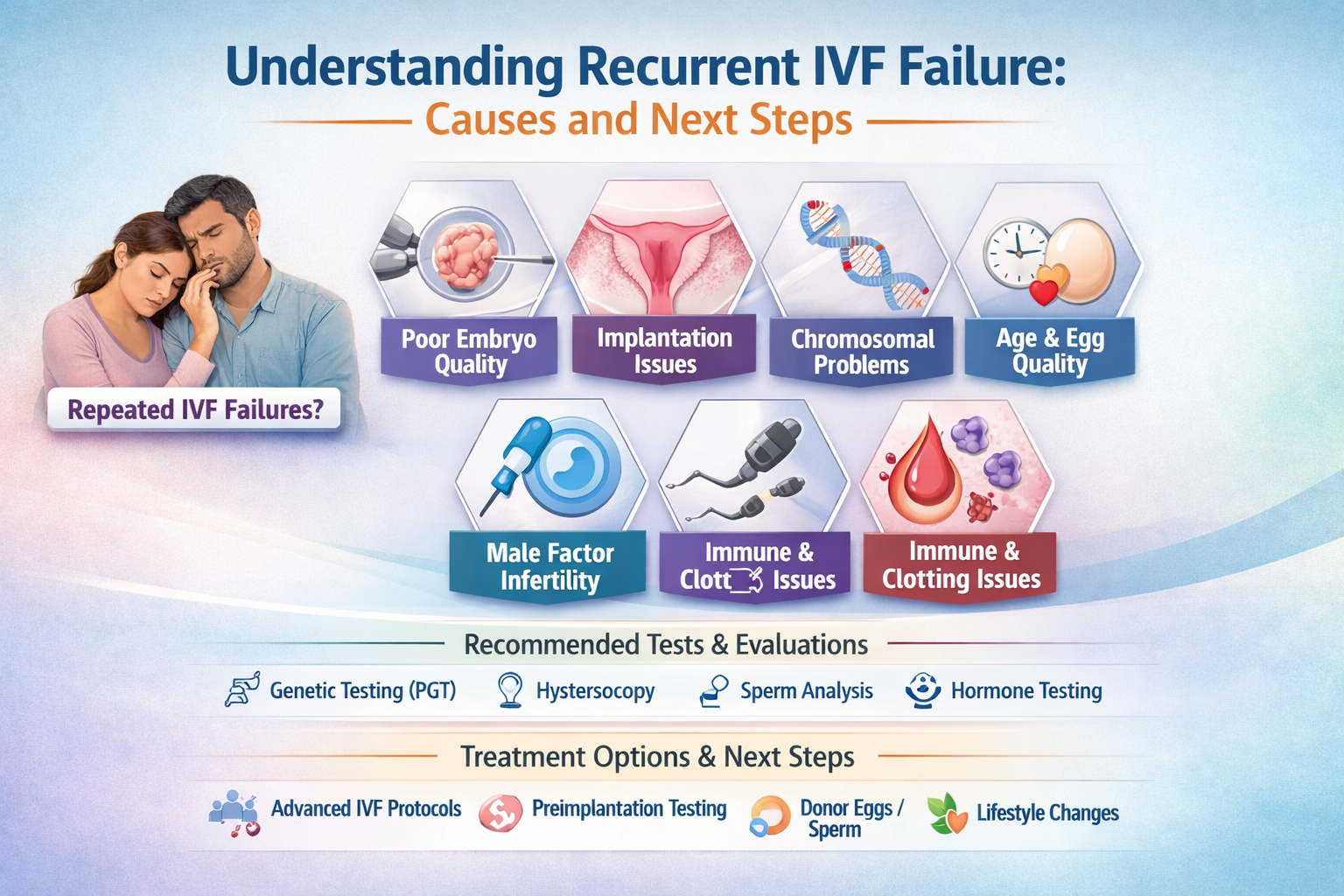
Common Causes of Recurrent IVF Failure
1. Poor Embryo Quality
Embryo quality is one of the most critical factors affecting IVF success. Genetic abnormalities in embryos may prevent proper implantation or lead to early miscarriage.
2. Implantation Issues
Sometimes embryos are healthy but fail to attach to the uterus. This can occur due to:
Thin uterine lining
Uterine abnormalities
Hormonal imbalance
3. Chromosomal Abnormalities
Both partners may carry chromosomal variations that affect embryo development.
4. Age-Related Factors
Female age plays a significant role in fertility. Egg quality declines after the age of 35, increasing the risk of IVF failure.
5. Male Factor Infertility
Low sperm quality, poor motility, or DNA fragmentation can impact embryo development.
6. Immune or Blood Clotting Disorders
In some cases, immune system issues or clotting disorders may interfere with implantation.
Tests Recommended After Repeated IVF Failure
After repeated unsuccessful cycles, fertility specialists may recommend additional investigations such as:
Genetic testing of embryos (PGT)
Hysteroscopy to examine the uterus
Hormonal evaluation
Endometrial receptivity analysis
Sperm DNA fragmentation testing
These tests help doctors understand the root cause and design a more personalized treatment plan.
Treatment Options and Next Steps
The good news is that many couples achieve pregnancy after adjusting the treatment strategy. Possible options include:
Improved IVF protocols: Adjusting medications or stimulation techniques.
Preimplantation Genetic Testing (PGT): Identifies genetically healthy embryos for transfer.
Lifestyle modifications: Weight management, stress reduction, and improved nutrition can enhance fertility outcomes.
Advanced sperm techniques: Methods like ICSI can improve fertilization in male infertility cases.
Donor eggs or sperm: In cases of severe egg or sperm issues, donor programs may be considered.
Emotional Support is Important
Repeated IVF failure can be emotionally overwhelming. Counseling, support groups, and guidance from fertility experts can help couples cope with the journey.
When to Consult a Fertility Specialist
If you have experienced multiple failed IVF cycles, it is important to consult an experienced fertility specialist at Reviva IVF. A detailed evaluation and personalised approach can significantly increase the chances of success in future treatments.
With the right medical guidance and treatment strategy, many couples eventually achieve their dream of parenthood.
Endometriosis is one of the most complex conditions encountered in reproductive medicine. It is a chronic, estrogen-dependent disorder in which tissue similar to the uterine lining grows outside the uterus—commonly affecting the ovaries, fallopian tubes, pelvic lining, and sometimes even the bowel or bladder.
Beyond pelvic pain and menstrual discomfort, endometriosis is strongly associated with infertility. Studies suggest that 30–50% of women with endometriosis may experience difficulty conceiving.
Managing endometriosis and fertility simultaneously requires a carefully structured, evidence-based approach. At advanced centers likeReviva IVF, a leading Infertility Clinic Chandigarh, specialists focus on preserving reproductive potential while controlling disease progression. This article explains how fertility clinics balance symptom control with reproductive goals.
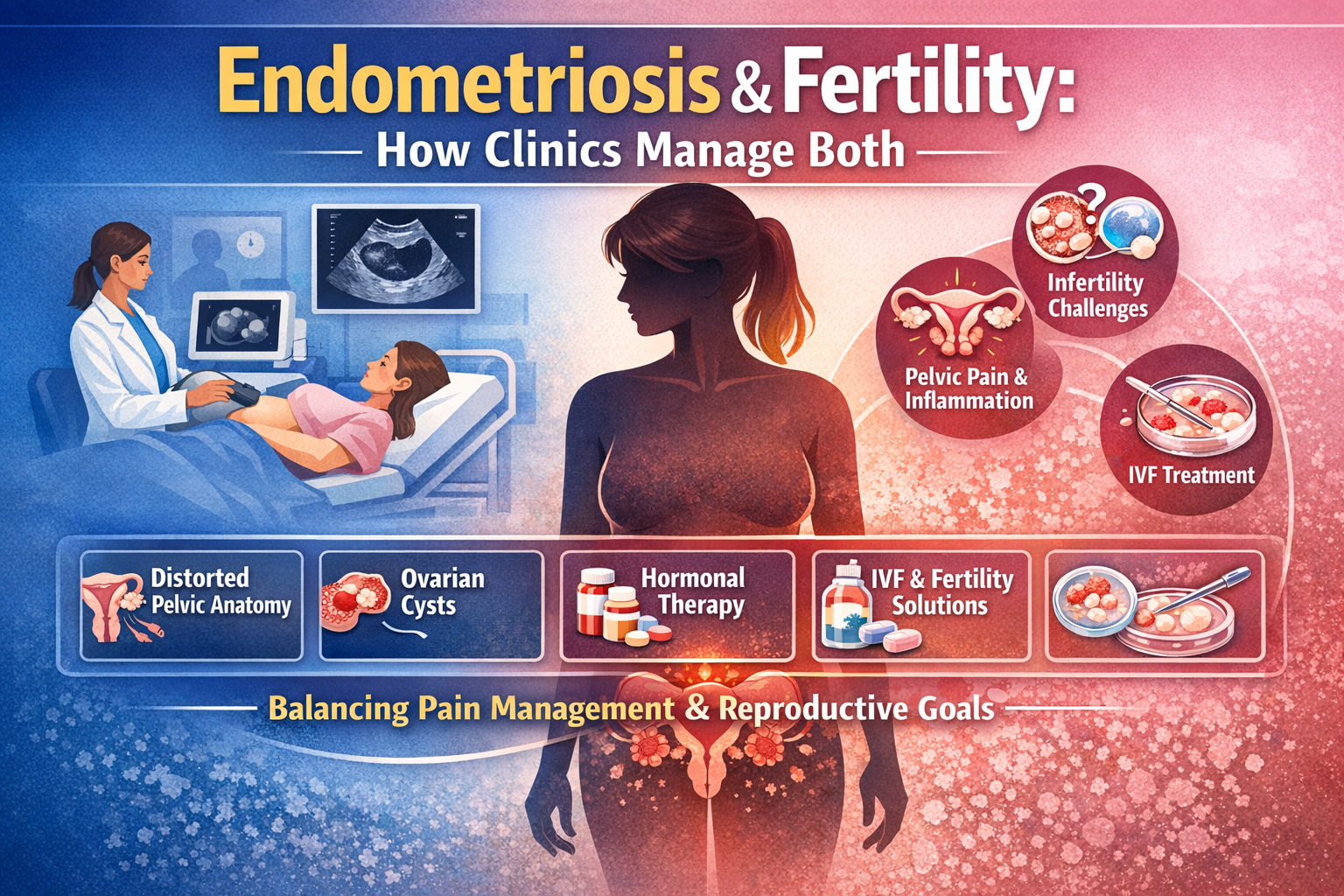
How Endometriosis Affects Fertility
Endometriosis impacts fertility through multiple mechanisms:
1. Distorted Pelvic Anatomy
Severe disease can cause:
Adhesions (scar tissue)
Blocked or damaged fallopian tubes
Displacement of reproductive organs
This interferes with egg pickup and sperm transport.
Endometriosis increases pelvic inflammation, which can:
Impair fertilization
Affect embryo implantation
Increase miscarriage risk
4. Altered Endometrial Receptivity
The uterine lining itself may be less receptive to embryo implantation in some patients.
Classification Matters
Endometriosis is staged from I (minimal) to IV (severe) based on surgical findings. However, severity of pain does not always correlate with fertility impact.
Stage I–II (minimal to mild): Often subtle but can still impair conception.
Stage III–IV (moderate to severe): Associated with adhesions, cysts, and anatomical distortion.
Treatment planning differs significantly based on stage and patient age — something experienced reproductive specialists at the Best IVF Centre carefully assess before initiating therapy.
Diagnostic Approach in Fertility Clinics
A fertility-focused evaluation typically includes:
Detailed clinical history
Transvaginal ultrasound
AMH testing (ovarian reserve)
Hysterosalpingography (to check tubes)
Laparoscopy (in selected cases)
Modern clinics aim to avoid unnecessary surgery unless clearly indicated.
Treatment Strategies: Balancing Pain and Pregnancy
1. Medical Management (For Pain Control)
Hormonal therapies such as:
Oral contraceptives
Progestins
GnRH agonists
These suppress endometriosis activity but also prevent ovulation—making them unsuitable when immediate pregnancy is desired.
Therefore, pain management and fertility planning must be coordinated carefully.
2. Surgical Management
Laparoscopic surgery may be considered when:
Severe pain persists
Large endometriomas are present
Tubes are blocked
Pelvic anatomy is significantly distorted
However, repeated ovarian surgery can reduce ovarian reserve. Clinics carefully weigh the benefits versus the potential impact on egg quantity.
3. Natural Conception
For younger women with minimal disease and good ovarian reserve:
In advanced disease, IVF significantly improves pregnancy rates compared to natural attempts.
Special Considerations in IVF for Endometriosis Patients
Clinics often modify protocols by:
Using tailored stimulation strategies
Monitoring ovarian response closely
Considering freeze-all cycles in select cases
Optimizing endometrial preparation before transfer
If ovarian reserve is severely compromised, early intervention is critical.
Endometriosis & Egg Quality
Research suggests that while egg quantity may decline, egg quality is not universally affected in all patients. Age remains a stronger determinant of egg quality than endometriosis alone.
However, chronic inflammation may influence embryo development in some cases.
Psychological Impact
Endometriosis patients often experience:
Chronic pain
Delayed diagnosis
Emotional exhaustion
Fear of infertility
Integrated fertility care includes:
Counseling
Realistic timeline planning
Emotional support
The dual burden of pain and infertility requires empathetic, multidisciplinary management.
When to Seek Fertility Consultation
Immediate fertility evaluation is advised if:
Endometriosis is diagnosed
Age is above 30
Pain is severe
Ovarian cysts are present
Pregnancy has not occurred after 6–12 months
Early intervention prevents loss of valuable reproductive time.
Key Takeaways
Endometriosis affects fertility through inflammation, anatomical distortion, and ovarian impact.
Treatment must balance symptom control with reproductive goals.
IVF is often the most effective option in moderate to severe disease.
Surgery should be carefully evaluated to avoid compromising ovarian reserve.
Early fertility planning improves outcomes significantly.
When couples consider IVF, the most pressing question is: “What are our chances of success?”
While several factors influence IVF outcomes, female age remains the single most important predictor of success. Ovarian reserve, egg quality, embryo development potential, and implantation rates are all strongly age-dependent.
This article explains IVF success rates in India by age group, what those numbers truly mean, and how couples should interpret them realistically.
How IVF Success Rates Are Measured
Before examining age-based data, it is important to understand how success is calculated. Clinics may report:
Clinical pregnancy rate (heartbeat seen on ultrasound)
Implantation rate
Live birth rate (most meaningful outcome)
Cumulative pregnancy rate (over multiple cycles)
Live birth rate per cycle is considered the most clinically relevant metric.
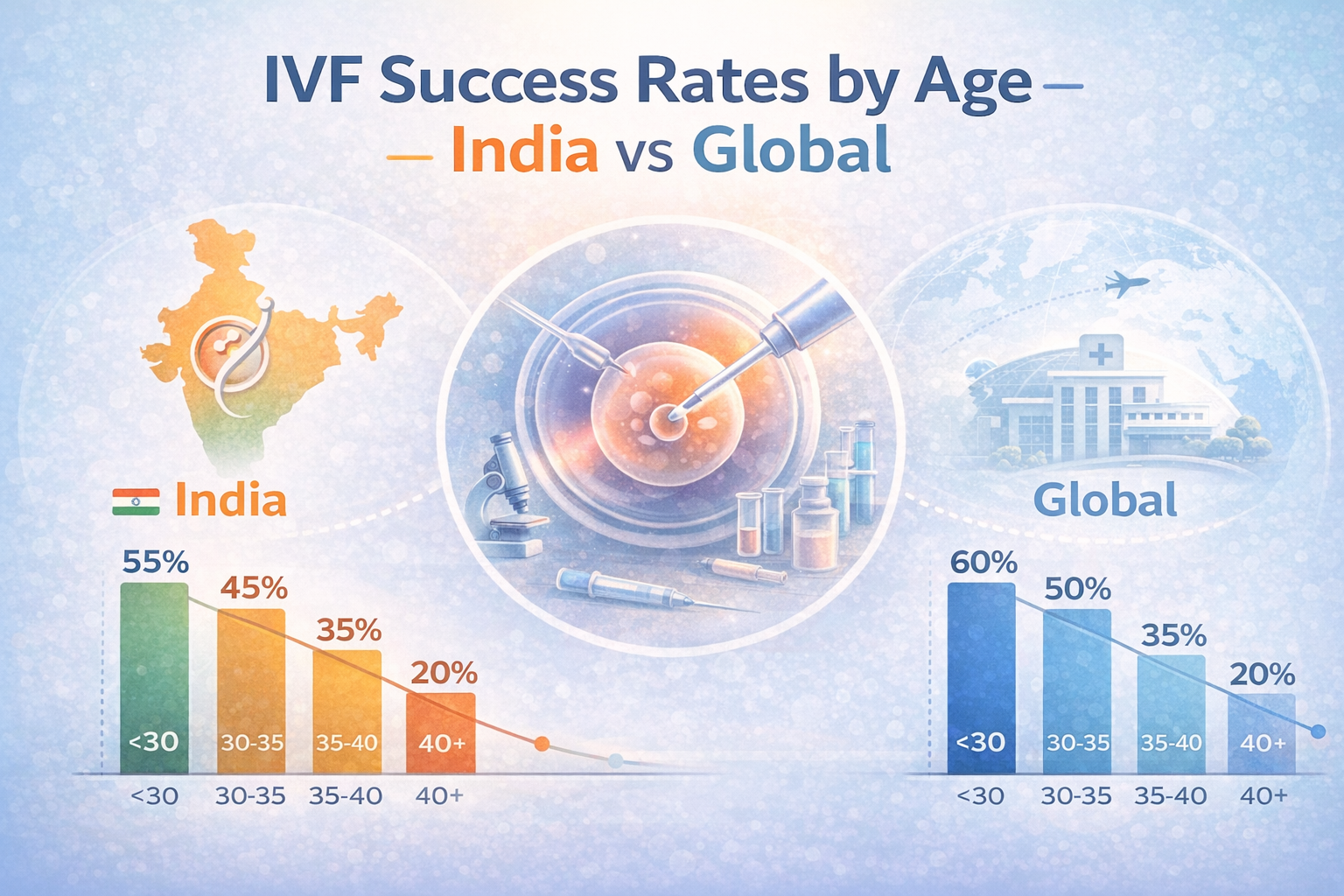
IVF Success Rate by Age in India
While success rates vary between clinics depending on lab standards and patient selection, the following ranges reflect typical outcomes in well-equipped Indian fertility centers.
This age group generally requires fewer cycles to achieve pregnancy.
30–34 Years
Live birth rate per cycle: 45–55%
Slight gradual decline in ovarian reserve
Still favorable response to stimulation
Most patients in this group have high cumulative success within 1–2 cycles.
35–37 Years
Live birth rate per cycle: 35–45%
Noticeable decline in egg quality
Increased risk of chromosomal abnormalities
More frequent recommendation for blastocyst culture or genetic testing
Timely treatment is strongly advised in this age bracket.
38–40 Years
Live birth rate per cycle: 20–30%
Reduced ovarian reserve
Higher miscarriage rates
Often require multiple cycles
May benefit from ICSI and advanced lab techniques
At this stage, individualized protocol optimization becomes critical.
Above 40 Years
Live birth rate per cycle: 5–15% (using own eggs)
Significant decline in egg quantity and quality
Higher risk of implantation failure
Donor egg IVF dramatically improves success (up to 50–60% depending on donor age)
Counseling becomes particularly important to set realistic expectations.
Why Age Impacts IVF So Strongly
Female reproductive biology is age-sensitive because:
Women are born with a fixed number of eggs
Egg quality declines progressively
Chromosomal errors increase with age
Ovarian response to stimulation reduces
Even with advanced laboratory techniques, egg quality remains the limiting factor.
Role of Male Age
While female age is primary, advanced paternal age can also influence:
Sperm DNA fragmentation
Embryo quality
Miscarriage risk
However, its impact is generally less pronounced than maternal age.
Cumulative Success Matters More Than Single-Cycle Results
One IVF cycle does not define overall probability.
For example:
A 35-year-old woman with a 40% per-cycle success rate may have 70–80% cumulative success over three cycles.
Patients should discuss cumulative strategy rather than focusing solely on one attempt.
Factors Beyond Age That Influence Success
Although age is dominant, other determinants include:
AMH levels (ovarian reserve marker)
Endometrial receptivity
Presence of PCOS or endometriosis
Sperm quality
Lifestyle factors (BMI, smoking, stress)
Lab quality and embryologist expertise
Two women of the same age can have very different success probabilities.
Success Rates in India vs Global Standards
Top Indian IVF centers report success rates comparable to international benchmarks. High patient volumes, advanced embryology labs, and experienced fertility specialists contribute to competitive outcomes.
However, patients must ensure:
Transparent reporting
Ethical practices
Individualized treatment protocols
Reviva IVF follows evidence-based protocols and patient-specific treatment planning to ensure realistic expectations and optimal outcomes.
Emotional Perspective on IVF Statistics
Statistics guide decisions—but they do not predict individual outcomes.
Fertility treatment combines:
Biological variables
Laboratory science
Clinical expertise
Emotional resilience
Age should encourage timely action—not panic.
Key Takeaways
IVF success declines progressively after 35 and sharply after 40.
Live birth rate is the most meaningful metric.
Cumulative success across multiple cycles provides a more accurate perspective.
Egg quality—not technology—is the primary age-related limitation.
Early fertility consultation improves probability and reduces emotional stress.
Infertility treatment is both an emotional and financial decision. Among assisted reproductive technologies, In Vitro Fertilization (IVF) remains the most widely recommended and scientifically validated option. However, IVF costs vary significantly across countries. Many international patients now consider India a preferred fertility destination due to advanced medical infrastructure, experienced specialists, and cost efficiency.
This article presents a structured cost comparison between India and leading global fertility hubs, while examining what truly influences IVF pricing.
Understanding What IVF Cost Actually Includes
Before comparing geographies, it is important to understand what constitutes IVF pricing. A standard IVF cycle typically includes:
Additional services such as blastocyst culture, embryo freezing, Preimplantation Genetic Testing (PGT), donor programs, or multiple embryo transfers may increase the overall cost.
Therefore, cost comparisons must always consider whether packages are basic cycles or comprehensive treatment plans.
IVF Cost in India
India has emerged as one of the most affordable and technologically advanced fertility destinations globally.
Average IVF Cost in India (per cycle): ₹1,00,000 – ₹2,50,000 (Approx. $1,200 – $3,000 USD)
Even with advanced add-ons like ICSI or blastocyst culture, the total expense remains significantly lower than Western countries.
Why IVF Is More Affordable in India
Lower operational and infrastructure costs
Competitive pharmaceutical pricing
High patient volumes improving procedural efficiency
Availability of skilled embryologists and fertility specialists
Major medical hubs such as Mumbai, Delhi, Bangalore, Chennai, Hyderabad and Chandigarh offer internationally comparable laboratory standards at substantially lower costs.
IVF Cost in Global Fertility Hubs
United States
Average IVF Cost (per cycle): $12,000 – $20,000 (excluding medications)
Medications alone may cost $3,000 – $6,000. Genetic testing or embryo freezing further increases expenses.
United Kingdom
Average IVF Cost (private clinics): £5,000 – £8,000 per cycle
Limited NHS coverage often results in out-of-pocket spending.
Spain & Czech Republic
Europe is a popular IVF destination due to liberal reproductive laws and donor programs.
Spain: €6,000 – €9,000
Czech Republic: €4,000 – €6,000
Middle East (UAE)
Average Cost: $7,000 – $12,000 per cycle
While technologically advanced, treatment costs remain higher than India.
Comparative Cost Overview
Country
Approximate Cost per IVF Cycle
Medication Included?
India
$1,200 – $3,000
Often partially included
USA
$12,000 – $20,000
Usually separate
UK
£5,000 – £8,000
Separate
Spain
€6,000 – €9,000
Varies
UAE
$7,000 – $12,000
Often separate
India can be 4–8 times more cost-effective compared to the United States.
Does Lower Cost Mean Lower Success Rates?
A common misconception is that lower pricing reflects inferior quality. However, IVF success rates depend primarily on:
Woman’s age
Ovarian reserve
Sperm quality
Embryology lab standards
Clinical expertise
India’s top fertility centers maintain advanced embryology labs equipped with:
Time-lapse embryo monitoring
ICSI systems
Blastocyst culture capability
Cryopreservation units
Many clinics report success rates comparable to Western benchmarks, especially in patients under 35 years.
Hidden Costs Patients Should Consider
When comparing international IVF options, consider:
Travel and accommodation expenses
Visa requirements
Duration of stay (2–4 weeks typical for one cycle)
Follow-up logistics
Legal framework regarding donor eggs or surrogacy
Even after accounting for travel expenses, India often remains more economical.
Why International Patients Choose India
Cost efficiency without technological compromise
English-speaking medical teams
Short waiting periods
Transparent treatment protocols
High-volume expertise
Additionally, medical tourism infrastructure in major Indian cities simplifies travel, lodging, and treatment coordination.
Financial Planning for IVF
IVF is often a multi-cycle journey. Patients should:
Budget for 1–3 cycles realistically
Understand refund or package policies
Evaluate financing options if available
Discuss cumulative pregnancy rate rather than single-cycle success
Cost transparency is essential to avoid emotional and financial strain.
Final Perspective
IVF cost differences across countries are substantial. While the United States and parts of Europe remain technologically advanced, India offers a highly competitive balance of affordability, expertise, and success outcomes.
For many couples—both domestic and international—choosing a trusted center like Reviva IVF ensures access to advanced fertility care with ethical practices, transparent pricing, and high clinical standards.
India is no longer just a lower-cost option—it is a medically robust and financially sustainable fertility solution.